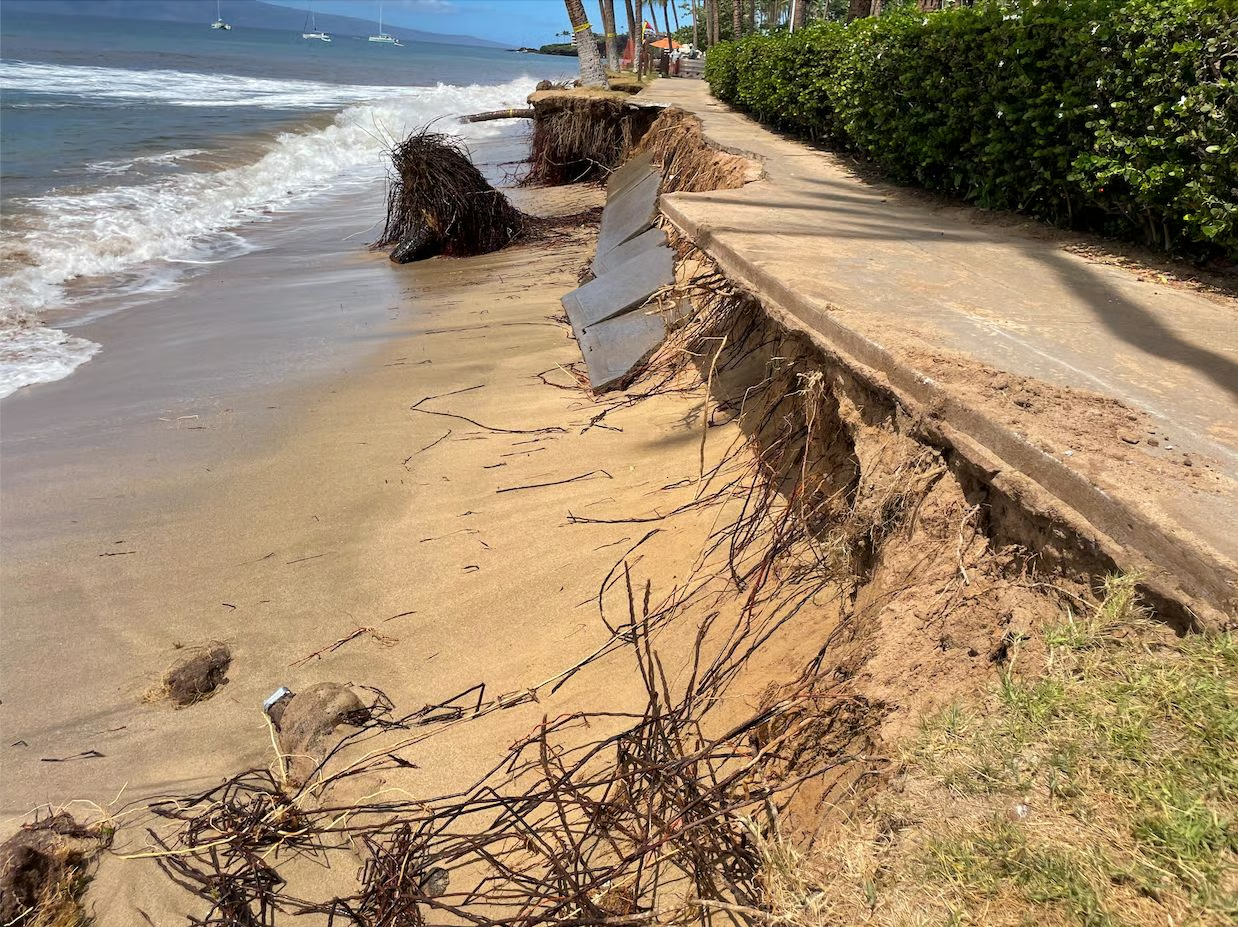
Two Kona lows, then Lala, then Lowell. Plenty of reports say this may be the new normal.
Disaster response isn’t my area, and every time I talk to people who understand it, it scares the crap out of me. But I am a marketer, so let me stick to messaging.
I get the anger when locals see visitors wandering a disaster area looking for the best beach. Kauaʻi needs power, gas, and food right now, not someone asking where to snorkel. The problem is the video doesn’t come with an expiration date or a map. It gets watched next week in Denver and next month in Tokyo, and “don’t come during the recovery” becomes “don’t come to Hawaiʻi.”
And it isn’t only weather. We get media storms too.
In January, the Road to Hāna confrontation made headlines. In May, a Washington man was filmed throwing a rock at an endangered Hawaiian monk seal near Lahaina, sparking immediate local backlash, and rightfully so. Then in July, a brawl at Kāʻanapali Aliʻi sent several visitors to the hospital and led to nine arrests. All three incidents made national headlines. Add in the occasional anti-tourist rant that goes viral, and it’s not hard to see how the perception of tension between visitors and residents can take on a life of its own.
The cycle is as old as… well, social media… somebody posts it, national news picks it up, outrage carries it, and the family planning spring break starts questioning whether Hawai’i is the right destination for them.
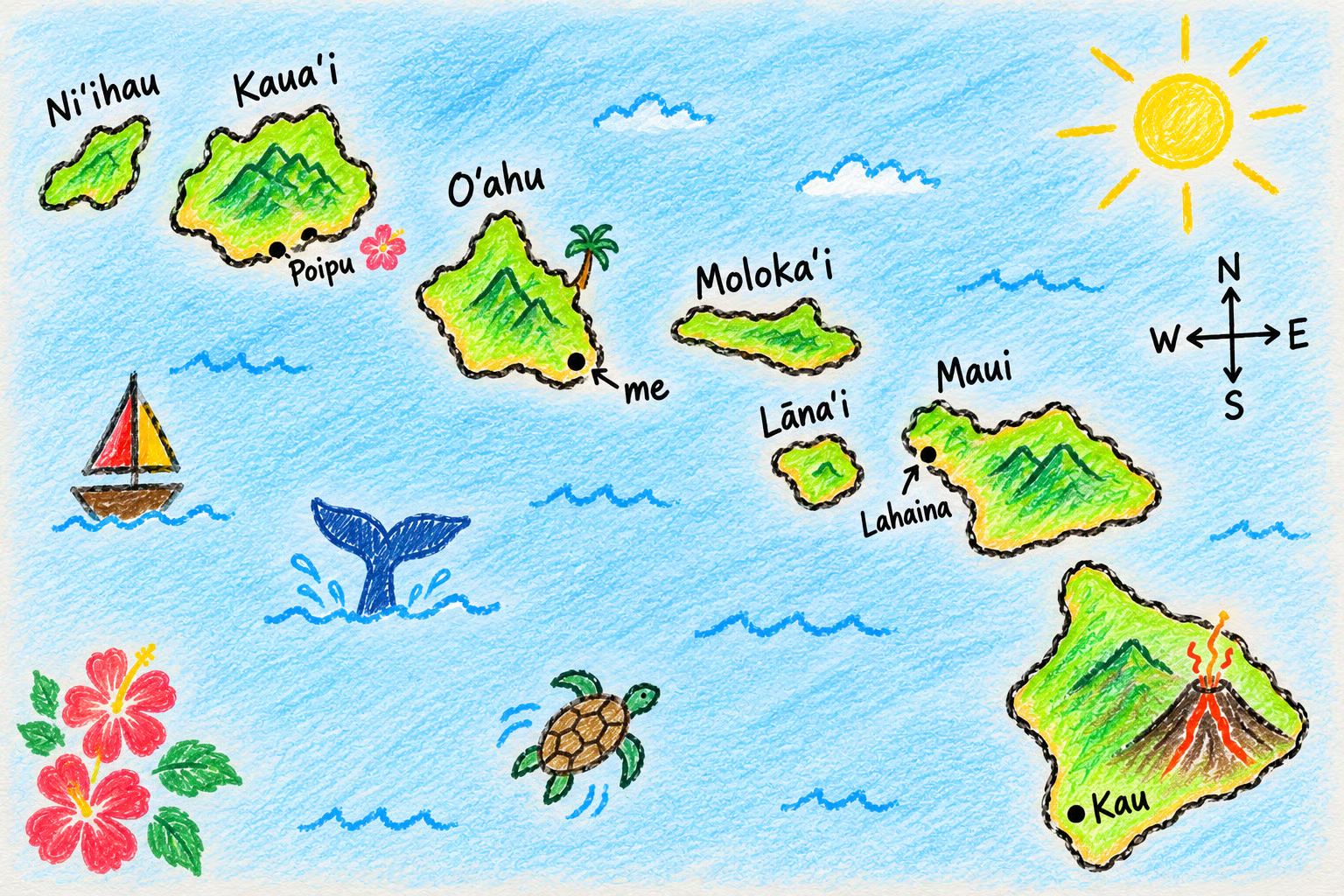
Lahaina taught us that messaging has a long shelf life. Add geographic ignorance, and it gets worse. I spent last week telling friends on the continent I live on Oʻahu and, yes, explaining again that Honolulu is not on the Big Island.
The good news is official messaging has gotten sharper. Travelers with Kauaʻi plans were told to switch islands rather than cancel Hawaiʻi, and Canada’s advisory stopped at Kauaʻi County. Be specific about where the problem is and where people can still go.
But the conversation shaping Hawaiʻi’s reputation isn’t happening on official websites. It’s on Reddit, Instagram, TikTok, and Facebook. Hotels already use sentiment analysis tools to monitor hotel reviews. We also need to spend more time watching the destination.
And watching is only half of it. Arguing with someone angry about tourism is pointless. They’re not the audience anyway. The audience is the family in Denver wondering whether to cancel. Answer the question, not the feeling. What’s open? What’s flying? Which islands or areas are OK to visit?
Bad news sells, outrage travels, and neither cares much about geography. The story that everything is open and welcoming rarely goes viral.
If Hawaiʻi wants visitors, we can’t assume they know they’re welcome. Someone has to tell them.