
Casago’s shift to convert Vacasa’s operations into local franchises tests whether the asset-light hotel model can deliver sustainable profit margins in the fragmented vacation rental industry.
Casago’s shift to convert Vacasa’s operations into local franchises tests whether the asset-light hotel model can deliver sustainable profit margins in the fragmented vacation rental industry.

The widening performance gap between asset-light brands and property owners highlights a growing structural tension in hospitality, as rising capital costs and squeezed margins challenge the long-term viability of the traditional ownership model.

A reflection on Classic Vacations sparked a reply from founder Ron Letterman, offering perspective on travel’s evolution from OTA disruption to AI anxiety, and a reminder that niche, high-touch service still endures.
Hyatt’s Playa deal is a fresh example of the asset-light model: sell the real estate, keep the brands and management contracts, and grow rooms and fee income while owners take the capital risk.
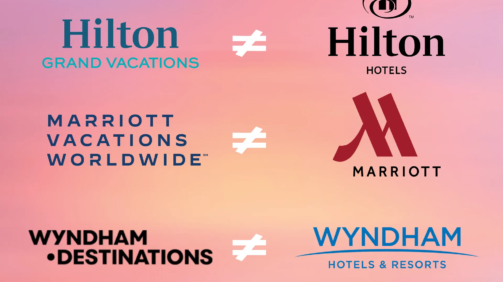
Hilton Grand Vacations, Marriott Vacations, and Wyndham Destinations may carry the hotel brand names, but all three are independent, publicly traded companies, spun off from their parent brands and operating their own development, sales, and operations despite the shared logos.
A quick explainer on how hotels really work—owners, brands, and managers often operate separately, with guest-facing flags masking the complex mix behind Hawaiʻi’s biggest properties.