
This one will probably earn me a few emails.
I understand why Kalaupapa is different. It is sacred ground, a place of profound suffering, resilience, and healing. The voices of former Hansen’s disease patients, their descendants, and the Molokaʻi community deserve to be heard in deciding its future.
Kalaupapa is also inseparable from the story of Father Damien, who chose to live among and care for those exiled there and was later canonized as a saint. For Catholics and others, visiting Kalaupapa isn’t simply tourism; it’s a pilgrimage.
What I’m struggling with isn’t the concern over who controls Kalaupapa’s future; I understand that completely. It’s whether a carefully managed educational tour is incompatible with those goals.
We’re not talking about tour buses rolling through the settlement or hundreds of visitors a day. The National Park Service plan was for just two guided hikes a week with a maximum of 10 visitors per group. Visitors would make the eight-mile round-trip hike not for recreation, but to learn about an important and heartbreaking chapter of history.
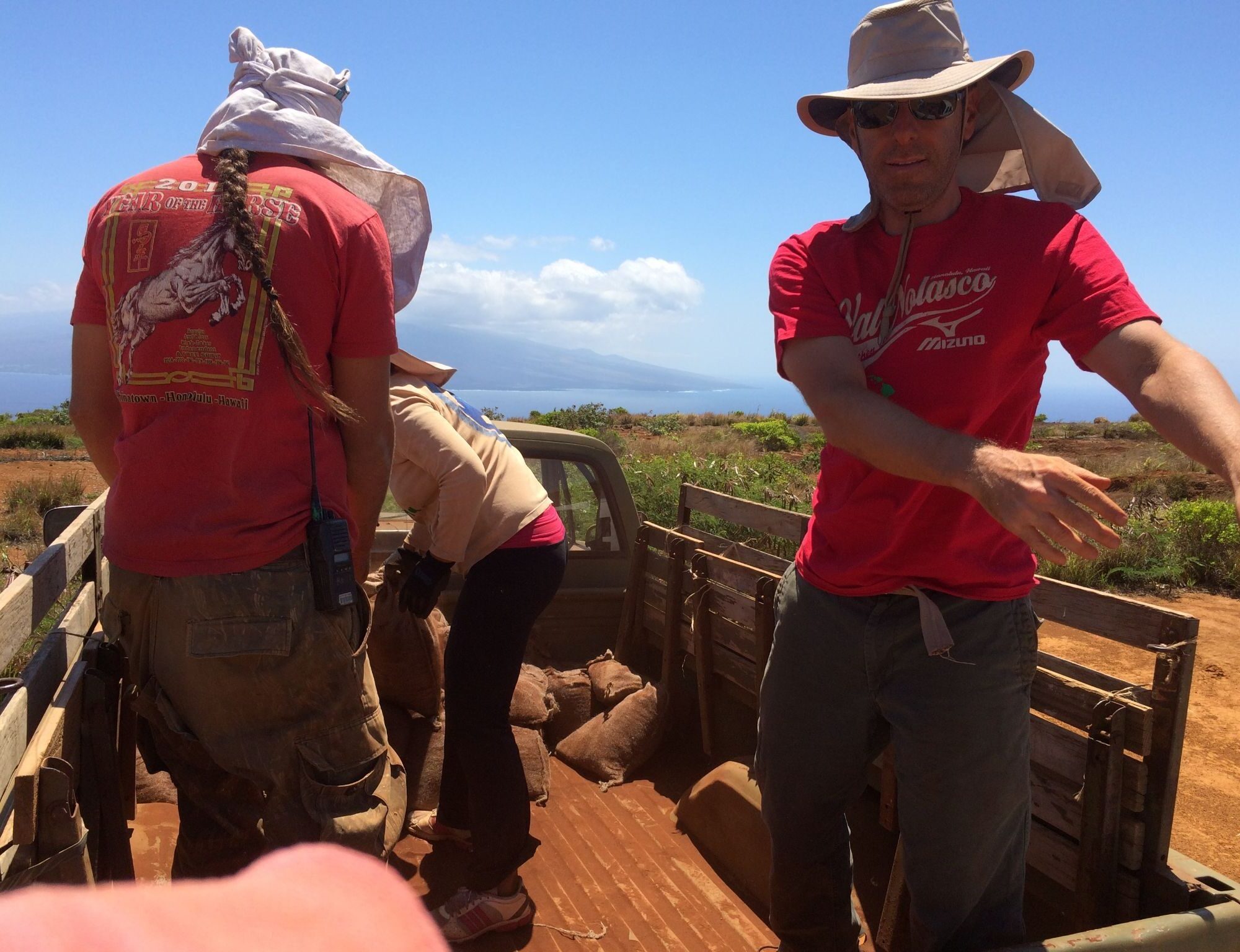
Maybe I’m biased. Kalaupapa has long been on my bucket list, not as another place to check off, but because I believe understanding places like this helps us better understand Hawaiʻi. Years ago, I spent a weekend on Kahoʻolawe helping with reforestation. It wasn’t a vacation. It was an opportunity to learn, give back, and gain a deeper appreciation for the island’s history. I imagine a thoughtfully managed visit to Kalaupapa could offer something similar.
From everything I’ve read, it appears the National Park Service underestimated just how important meaningful consultation with Molokaʻi residents, descendants, and Native Hawaiian stakeholders would be. That criticism seems fair. But to me, the issue seems less about the tour itself than who gets to decide what Kalaupapa becomes after the last patients are gone.
I don’t pretend to have the answer. I simply hope there’s a path that honors the wishes of the community while still allowing future generations to experience this remarkable place with the reverence, humility, and respect it deserves.
Some places shouldn’t be visited casually, but that doesn’t mean they shouldn’t be visited at all.