

Aloha {{first name |}}!
Welcome to the latest edition of the Hawaiʻi Hotel Hui Insider.
We did the hard work so you don’t have to: we sat through HTA’s legislative briefing and came away with updates on the CEO search, the Convention Center roof saga, and some interesting questions about the future of HVCB’s marketing contracts.
We also look at the latest resort land sale by Kamehameha Schools, some good news for Punaluʻu Black Sand Beach Park, and the predatory OTA practices that just won’t go away. Plus, why Booking Holdings’ new AI travel assistants could give hotel revenue managers yet another headache, industry moves, hotel openings, and more.
Not already a subscriber? Join the Hui and get the signal sent straight to you; it’s free. Already subscribed? Forward this to someone in Hawaiʻi hospitality who should be reading it.
Want to reach Hawaiʻi’s hotel and tourism leadership? Our readers are decision-makers at properties, management companies, ownership, and brands, and travel and tourism companies across the islands. Sponsorship inquiries: dan@sassato.com
Mahalo for reading, and as always, thank you for being part of the Hui.
Lots to unpack. Let’s dive in.
Mahalo,

Dan Wacksman
Hawaiʻi Hotel Hui Insider Editor-in-Chief 😄

We Watched the Sausage Being Made (So You Didn’t Have To)

The Hawaiʻi Tourism Authority (HTA) appeared before a joint legislative tourism committee on October 14th. We watched the briefing online and really started to understand the adage: there are two things you never want to watch being made, sausages and laws.
Among the presentations, questions, and government-speak, a few updates caught our attention.
The CEO Search, 3+ Years in the Making
HTA received approximately 68 applications and interviewed eight candidates before reopening its search for a permanent CEO. The search was reopened partly because the position changed to a state employee position. HTA says it’s looking for someone who can balance tourism industry knowledge with government experience; applications close October 30th. A selection committee will then recommend two or three finalists to the HTA board, which expects to conduct public interviews in December before recommending one candidate to the governor.
The Roof, The Roof, The Roof Is… Not on Fire (Yet)
The Hawaiʻi Convention Center’s $108.67 million rooftop project is hitting turbulence. The contractor submitted six requests for additional time and costs, all rejected by HTA over insufficient or inconsistent documentation. Permitting delays and unforeseen conditions have complicated matters, and HTA can’t guarantee the planned January 2028 reopening. An updated schedule is expected in late October or early November.
The legislative briefing also raised questions about accountability under the Convention Center’s management contract, including whether stronger penalties for maintenance failures are needed. The irony isn’t lost on us that legislators are demanding answers about delays and potentially lost 2028 business when years of inadequate legislative funding helped create the problem. Rep. Tam wasn’t there for much of that history, and his concerns are valid, but as HTA Interim CEO Caroline Anderson emphasized, this is a deferred maintenance problem years in the making, not simply a failure of the current operator.
HTA Contracts: A Few Things to Watch
HTA provided an update on its major contracts, including five currently held by the Hawaiʻi Visitors and Convention Bureau (HVCB), four of which expire at year-end. New procurement is underway. If you were wondering why the 2027 US and Japan marketing plans session vanished from the Tourism Conference agenda, this might be your answer. What caught our attention was Anderson’s comment that HTA is examining its Global Support Services contract to see which projects could be brought in-house for greater efficiency. No specifics yet, but we’re curious to see where this goes.
So is this simply a routine procurement process, or are we seeing the beginnings of a bigger change in Hawaiʻi’s tourism marketing model? The new CEO is really going to have their hands full.
A Little LinkedIn Snooping and a Well-Deserved Promotion
Sometimes a little LinkedIn snooping pays off.
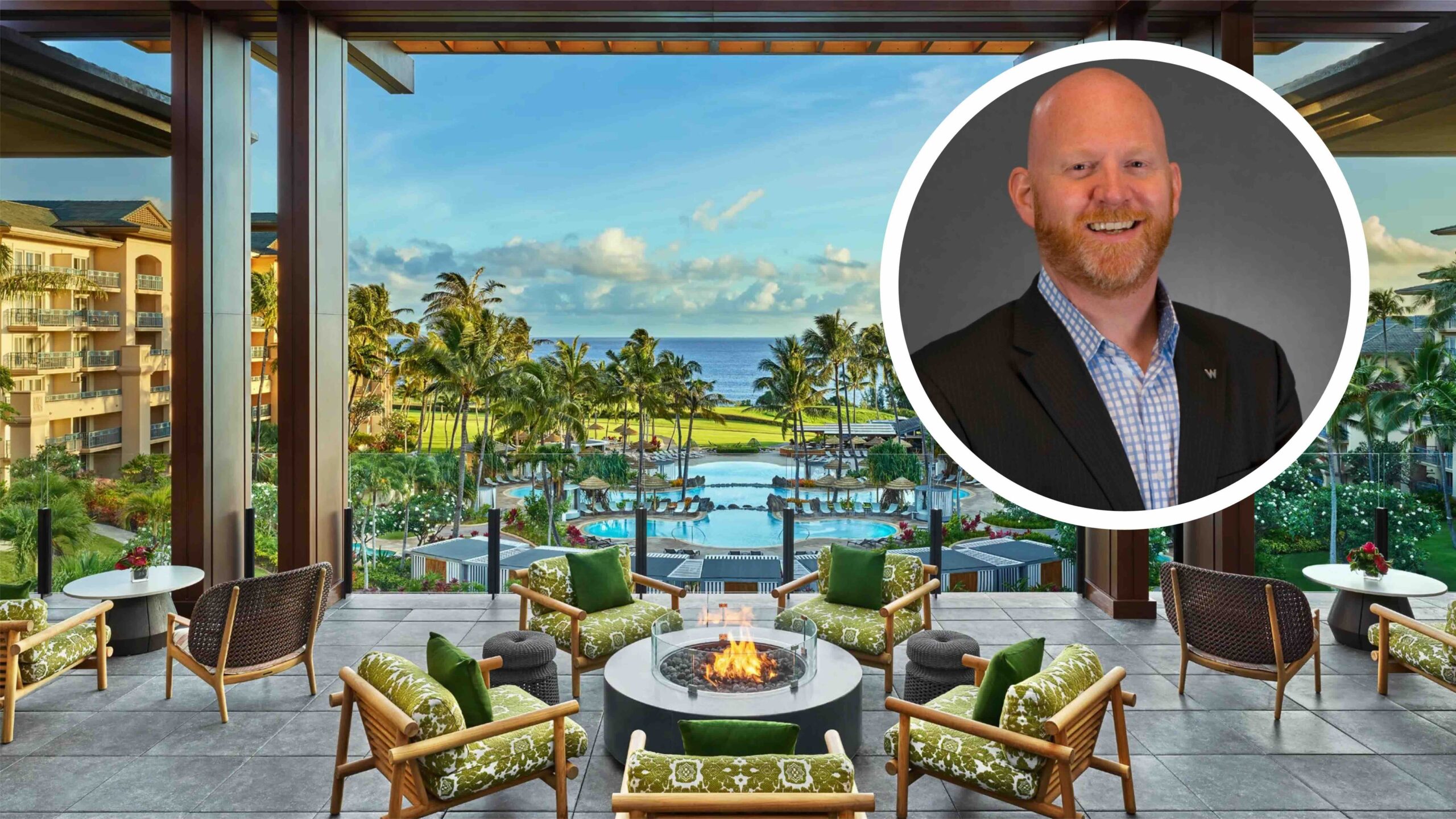
Buried in a farewell announcement from the Hotel Council of San Francisco was some Hawaiʻi hotel news: Michael Baier is heading to Maui as the new General Manager of The Ritz-Carlton Maui, Kapalua.
Baier, who served as the council’s Board Chair, was recognized for his decades of leadership in San Francisco’s hospitality community. Apparently, San Francisco’s goodbye is Maui’s hello.
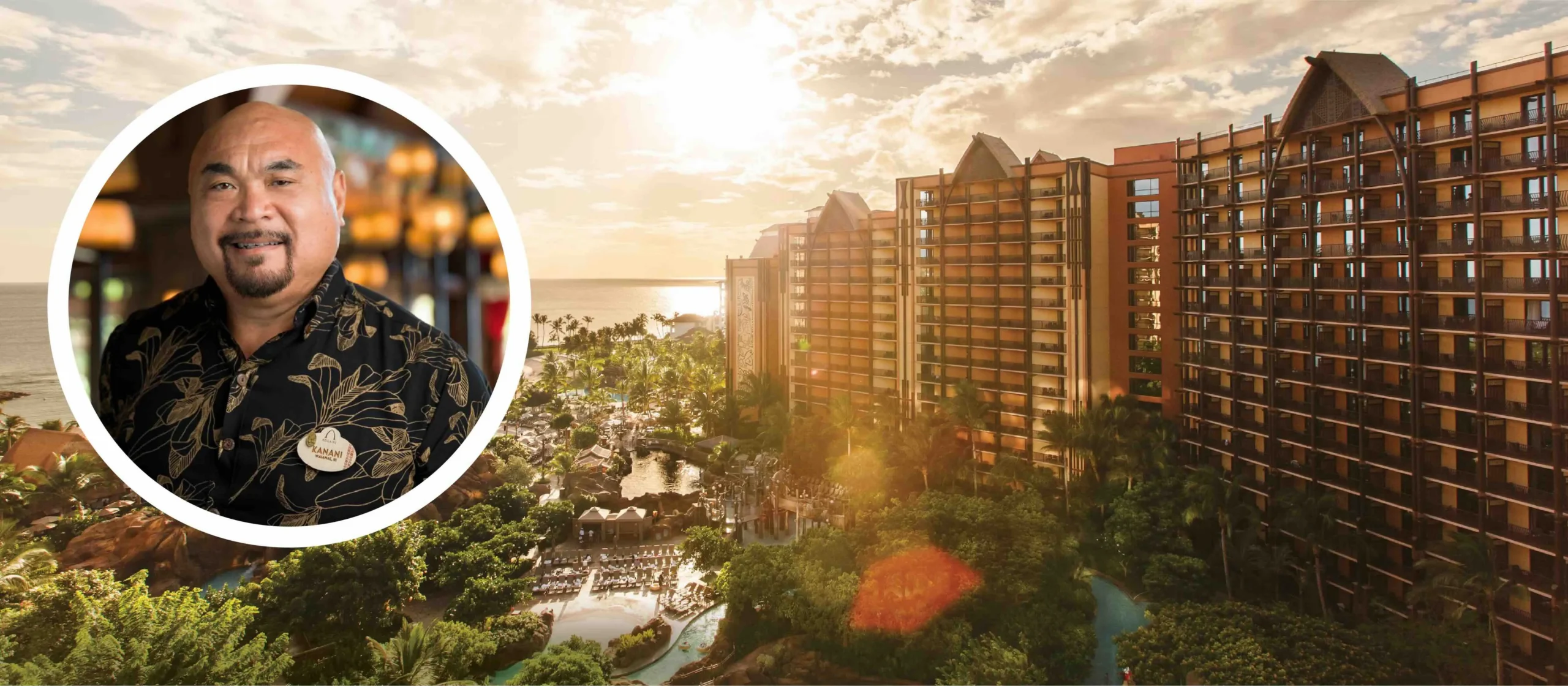
Meanwhile, over at Aulani, A Disney Resort & Spa, Gordon “Kanani” Aken has been promoted to General Manager after nearly 15 years at the resort. A West Oʻahu native with 35 years of hospitality experience, Aken succeeds Kimberly Leimomi Agas, who was promoted to Executive Director in May and to whom he will report.
Congratulations to both, and welcome to Hawaiʻi, Michael!
Hawaiʻi Land Shuffle: One Beach Park Coming Back, Another Resort Parcel Sold

Remember our story about how Punaluʻu Black Sand Beach was public, but the park behind it wasn’t? Well, some good news: Hawaiʻi County has reached a tentative $1.46 million agreement to purchase the 6.8-acre park, following the lease dispute that closed its facilities in August. The deal isn’t final, and the park remains closed for now, but public ownership is looking much closer. Meanwhile, the land shuffle continues in the other direction.
Kamehameha Schools has sold the land beneath Kona Village, a Rosewood Resort, for $246.3 million to an affiliate of existing resort owner Kennedy Wilson (not a person, but a publicly traded real estate investment firm). Add that to the $400 million Four Seasons Hualālai land sale and the $510 million Royal Hawaiian deal, and Kamehameha Schools has sold approximately $1.15 billion in resort land in just over a year.
The trust says the proceeds will strengthen its endowment, support education, and help fund stewardship of its other lands. That’s a substantial financial strategy, but these transactions also raise a bigger question about the long-term ownership of Hawaiʻi’s most significant places. At Punaluʻu, public ownership may soon be secured. At three landmark resorts, the land has moved into private ownership. Different deals, very different implications, and a reminder that in Hawaiʻi, who owns the ʻāina matters.
Two New Hilton-Branded Resorts Open in Hawaiʻi. Same Name, Different Companies.

We’ve covered both of these projects as they worked their way toward opening, and now they’re officially welcoming guests.
In Waikīkī, Ka Haku, a Hilton Club, opened October 1 on the former King’s Village site, bringing 205 timeshare units across 32 stories and marking the Hawaiʻi debut of Hilton Grand Vacations’ luxury Hilton Club brand.
Over on Kauaʻi, Hale Hōkūala Kauaʻi, Curio Collection by Hilton, has opened with 210 rooms, 23 suites, and cultural programming developed with local partners, including the Kauaʻi Museum.
Both are Hilton-branded, but here’s your friendly reminder that Hilton Worldwide Holdings (NYSE: HLT) and Hilton Grand Vacations (NYSE: HGV) are two separate publicly traded companies (read more). Same familiar name on the building, different companies behind the business. Congratulations to both teams on their openings!

Amoma Is Dead. Long Live Amoma

Those of us who’ve spent time in hotel distribution remember Amoma, and no one shed a tear when it disappeared in 2019. Unfortunately, the games never stopped.
For those unfamiliar with how this works, a hotel contracts with a distributor, which passes its inventory to another distributor (and sometimes another), eventually landing on websites the hotel has never contracted with, some of which may be undercutting rates or using deceptive advertising.
A new Operto report identified 1.1 million questionable ads targeting 204,000 hotels in just 31 days, with GuestReservations.com accounting for nearly half. Now the FTC is preparing possible action against Priceline over its relationship with Guest Reservations, with potential penalties that could exceed $500 million. A San Francisco lawsuit also alleges that Guest Reservations obtains hotel inventory through Priceline Partner Solutions. The real question isn’t just who’s misleading travelers, but why major distributors aren’t doing more to police where their inventory ends up. Hotels have been asking that question for years. Maybe someone will finally have to answer for it.
Another Day, Another Hotel Tech Roll-Up.

Duetto has acquired Flyr Hospitality, adding Flyr’s automated pricing technology, used by more than 2,300 properties, to a platform Duetto says already serves more than 20,000 hotels.
Flyr entered the hotel business in 2022 by acquiring Pace Revenue, but is now exiting to focus on airlines. Duetto, owned by private equity firm GrowthCurve Capital since 2024, has been busy, also acquiring Micerate and HotStats in recent years. It’s interesting how often the playbook in hotel tech involves buying up companies, combining products, and promising customers all sorts of wonderful synergies.
We’ve watched plenty of consolidation involving companies like Cendyn, Shiji, and RateGain, and I keep waiting to see those promised benefits show up in a meaningful way for hotel operators. Maybe I’m missing something, but more products under one corporate umbrella doesn’t automatically mean better technology, better integration, or better service. For Duetto customers, the real test won’t be the acquisition announcement. It’ll be whether the combined offering actually makes their jobs easier.
Read more: Skift on Duetto’s acquisition

Full Disclosure: I Had a Hand in This One

I debated including this story since Castle Resorts is a Sassato client (Sassato is also the company behind HHH), and we helped with strategy and content for its website rebuild. But Hospitality Technology and others have covered it, and I think the story is worth sharing because it challenges some long-held assumptions about how hotel websites get built. I’ll try to keep the self-congratulation to a minimum. 😉
Anyone who’s been through a hotel website rebuild knows the drill: big budgets, year-long timelines, and enough meetings to make you question your career choices. Castle launched a new site for 20 properties across five booking engines in under four months for low five figures. Early results show revenue per session up 41%. See for yourself at CastleResorts.com.
Patrick Ahler, Castle’s SVP of Growth, led a small team: Sassato (strategy and content), Negi Studio (design and front end), and Zenshin Group (development and integrations). AI was used throughout, with technology selected so AI agents could work directly with it, and Castle owns its code outright.
I’ll admit I was skeptical we could pull it off. But the key was the mindset: launch something substantially better, then keep improving it, rather than disappearing into a bunker for a year chasing perfection. AI made development incredibly fast, but content, coordination, and human decisions still took time (pesky humans!). Having survived more hotel tech projects than I care to remember, that doesn’t surprise me. 😉
Booking Holdings Doubling Down With Two AI Companies
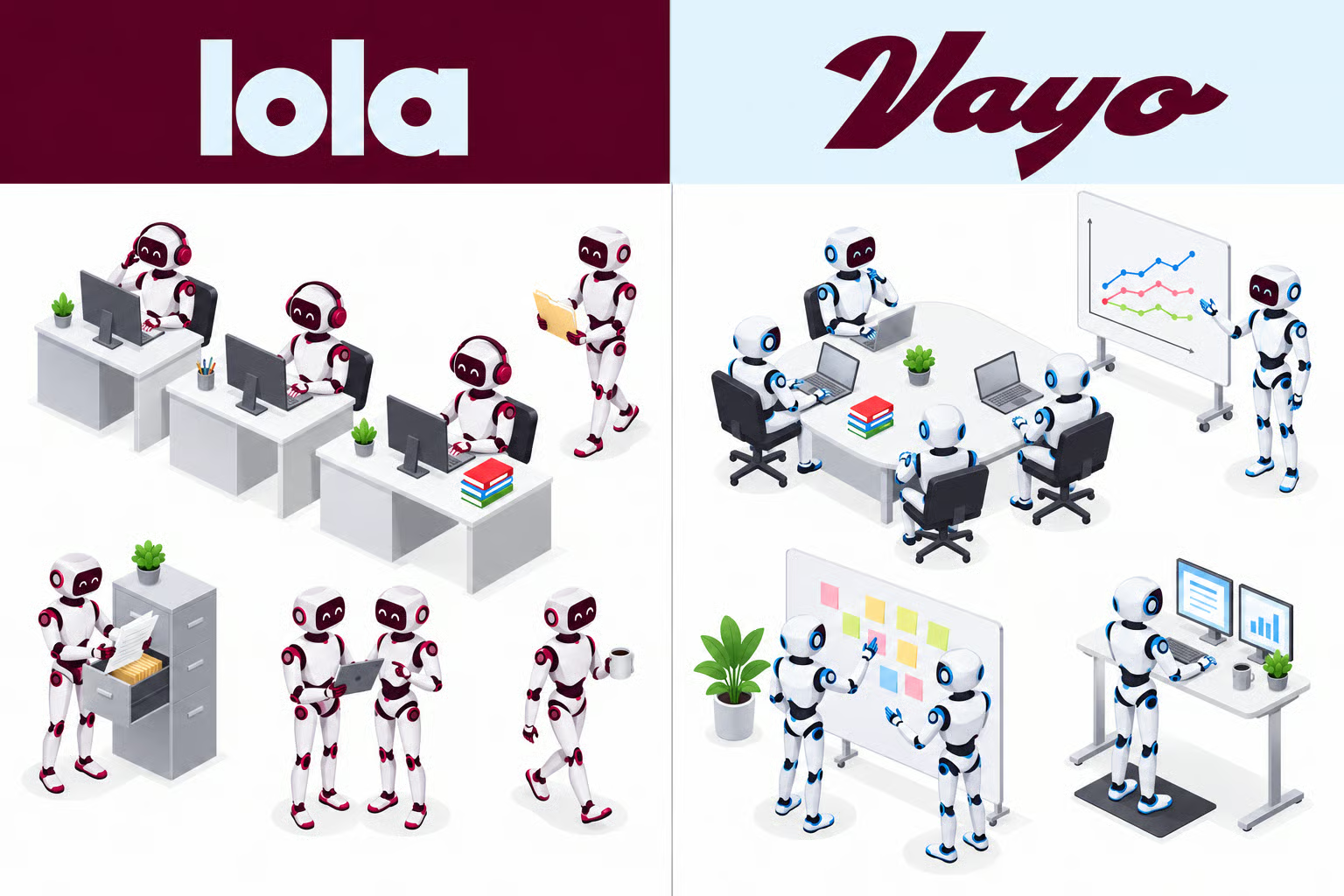
Two weeks after unveiling Lola, Booking Holdings has backed Vayo, with plans to invest up to $100 million depending on how it performs. Both are AI travel assistants, but they’re going about it differently:
-
Lola: AI-powered travel and lifestyle planning, wrapped in a paid membership offering hotel discounts and concierge services.
-
Vayo: A personal assistant that reads your inbox, finds your reservations (including ones booked with competitors), and watches for better fares, rooms, and restaurant tables. For now, it can only book on OpenTable (also Booking-owned), and everything else gets handed back to the traveler. It reminds us of TripIt, one of our favorite apps, which pulled all your trip plans into one itinerary but never figured out how to monetize it. Vayo hasn’t figured that out yet either. Private beta now, general availability expected in 2027.
What has me thinking is the price monitoring. Vayo doesn’t care whether the better rate is on Booking.com or your own website. Drop a rate by a few bucks, and you might watch a stack of reservations cancel and rebook overnight. Free cancellation was built for guests who forget to check. I’m guessing the bots won’t forget. 😉
Want to dive deeper? Skift on Vayo | Skift on Lola

Industry Events
-
State of the Economy: Looking Back, Moving Forward – Oct 22, 2026 (Virtual)
-
Highgate Hawaiʻi Job Fair – Oct 22, 2026 (Honolulu)
-
HSMAI Hawaiʻi Spooky Mixer – Oct 29, 2026 (Honolulu)
-
Maui WaiWise Stewardship Summit – Nov 9-10, 2026 (Maui)
Full list of 2026 Hawaiʻi Events
*If you have industry events to share, please email me at Dan@hawaiihotelhui.com.

Spotlight on Hawaiʻi Hospitality Opportunities
-
Manager/Director, Revenue Strategy – Castle Resorts & Hotels (Honolulu)
-
Assistant In House Marketing Manager – Travel + Leisure Co. (Waikiki)
-
Area Account Director, Leisure Sales – Highgate (Honolulu)
-
Hawaii Internet Travel Consultant – Rakuten Travel (Waikiki)
-
Area Director, Asia Sales – PM Hotel Group (Honolulu)
*If you happen to have any job openings, let us know. We will be glad to include them in the newsletter, space permitting; send the job link to Dan@hawaiihotelhui.com.

Two stories did most of the talking this time: the Manago math problem and our very first Hui Take. Somewhere in between, one of you is still trying to figure out who hired Adam.
Here’s the best of what landed in the inbox.
Somebody Has to Solve the Math
Our piece on the Manago Hotel sale, and Waikīkī revenue growing while EBITDA barely moved, got the revenue folks going.
-
“Sounds like discounting to drive volume, which in turn provides poor GOP conversion. I wonder which channel(s) the additional volume came from?”
-
“Let’s just call it what it may end up being … ‘the BIG Reset’”
Reading Between the Visitor Numbers
-
“The 7.4% rise in daily spending per visitor is the number I’d watch. Fewer guests spending more each puts the weight on what happens after check-in. Are you seeing it more in rate, or in dining and spa?”
-
HHH Note: Good point, but the data points the other way. Per-trip spend fell 4.3%. The 7.4% daily gain is mostly from shorter stays (8.47 days down to 7.55), so it’s the same budget spread over fewer days. Visitor spending fell about $170M in August while hotel room revenue rose slightly, so the drop landed outside the room. If anything, that’s a warning for F&B and activities. We’ll come back to it when the Q3 category split comes out.
-
-
“I was reading this month’s report about how visitors dropped, but hotel volume was almost unchanged. I was wondering if you would be interested in discussing how the kamaaina stays are captured (or not captured) in the data in the newsletter one day?”
-
HHH Note: Challenge accepted. The honest answer is more complicated than it should be, so we’ll give it a proper look in an upcoming issue.
-
Put the Phone Down (Re: Our First Hui Take)
For those of you who don’t follow us on LinkedIn or YouTube, we just launched Hui Takes, a new Wednesday series featuring unfiltered opinions from the people shaping Hawaiʻi hospitality and tourism. Our first one came from Duke Ah Moo at Hilton, and it boiled down to “Take fewer pictures. Live in the moment.” 📵 You had a lot to say about it.
-
“My best memories of any vacation or special moment are not stored on my phone or on the cloud – but in my mind. Being glued to a phone or camera takes you away from experiencing the moment”
-
“Bingo. Hospitality for one is also a thing. Take care of experiencing each moment fully (not just documenting it!)”
-
“Life is all about the journey and all too often people are focused on the little screen and miss what’s actually in front and around them!”
-
“Duke Ah Moo you are Iconic! 📷 🌅 🍹 📱”
-
HHH Note: I couldn’t agree more. On a recent outdoor trip with some buddies, our phones were ceremoniously locked in a box for the whole trip. I kept reaching for mine at first, but after a few hours the urge disappeared, and I was actually talking to people and enjoying the sunsets Duke mentioned. A photographer came along, so we still got the memories. It was surprisingly liberating. If hotels can figure out how to create a similar experience, I think there could be a real market for it.
-
Can Guests Actually Find You? (Re: Airbnb’s Hotel Push)
-
“A new channel also adds one more place where the same room has to read the same way… Did the listed properties keep their own room names?”
-
“Distribution is the quiet battle in hospitality. Love this breakdown; the properties that win are the ones guests can actually find 🌺”
Still Waiting on Answers
-
“But did we find out WHO HIRED ADAM?”
-
HHH Note: Re: the HTA conference keynote. No one has publicly come forward 😲.
-
-
“I cannot open the monthly report. Please assist.”
-
HHH Note: We actually loved this message. People are reading it! If you had the same trouble, you can download the monthly report here.
-
Digital High-Fives
-
“Just wanted to drop a note sharing how much I love seeing Hawaii Hotel Hui evolve. This newsletter has been such a fun read on my Tuesdays :)”
-
“Claudefishing! Hilarious”
Think we got the math wrong, or have your own take on phones at the pool? Send it to dan@hawaiihotelhui.com or drop a comment on our LinkedIn posts. We keep it anonymous, and the good ones end up right here.

About Us
Hawaiʻi Hotel Hui was started by hotel industry veteran Dan Wacksman, CEO of Sassato, a Hawaiʻi-based consultancy that combines deep local expertise with a global perspective.
Our team brings decades of experience across operations, marketing, revenue, tech, and finance, all aimed at helping hotels and travel companies make smarter decisions and move faster. Whether you need additional expertise, extra horsepower, or just someone who thinks like you and moves things forward, we’ve got you. From local independents to global brands, we show up with a no-nonsense, results-focused mindset. To be blunt: we get sh*t done.
Recent projects include brand transitions, system selection (PMS, CRS, CMS , all the acronym soup), implementations, project management, feasibility studies, training, audits, and everything in between.
A lot of organizations deal with stretched teams, siloed processes, and messy tech stacks that stall important work. We fix that. Happy to chat if this hits close to home.