
Castle stacks quiet wins, Maui’s housing fight drags on, hotel taxes climb higher, and AI agents hit the booking wall.
![[Aggregator] Downloaded image for imported item #3148](https://hawaiihotelhui.com/wp-content/uploads/HHHI_March_Issue_2_2026_V2-503x282.png)
Castle stacks quiet wins, Maui’s housing fight drags on, hotel taxes climb higher, and AI agents hit the booking wall.
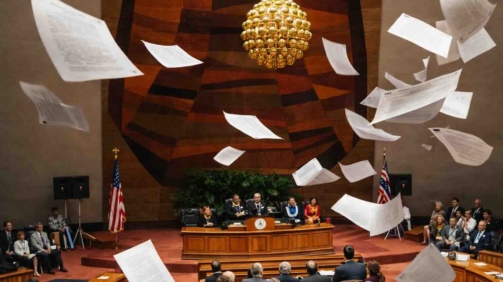
Hawaiʻi’s 60-day legislative sprint is underway, with bills targeting TAT marketing funds, comp room charges, vacation rental enforcement, tourism governance, and Michelin funding, all carrying real implications for hospitality.
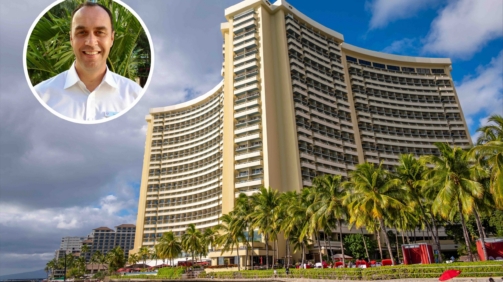
After more than three decades with Marriott, Tom Calame is retiring as GM of Sheraton Waikīkī, closing a global career that culminated in leading five iconic Hawaiʻi resorts through some of the industry’s most turbulent years.
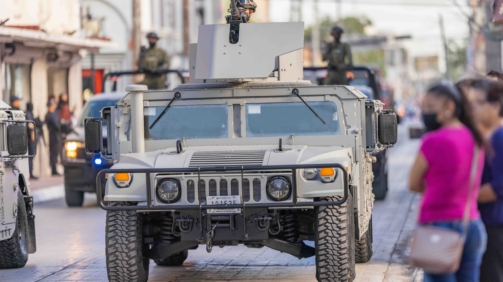
Recent violence and travel advisories in Mexico highlight how quickly perception can disrupt tourism demand, with recovery hinging on duration, creating competitive implications for Hawaiʻi and other leisure markets.

A new industry white paper underscores a structural shift in hotel labor, with permanently elevated wages, persistent turnover, and operating models moving from payroll ratios to cost per occupied room.

Mews’ $300M raise and $2.5B valuation spotlight renewed investor appetite for hotel tech, raising questions about whether AI-native PMS platforms justify venture math, or if operational reality will reset expectations.
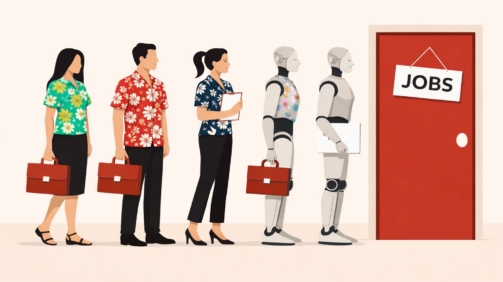
A viral AI essay with 85 million views reflects growing anxiety about accelerating white-collar disruption, underscoring a simple takeaway for hospitality leaders: experiment now, before the tools become embedded everywhere.
![[Aggregator] Downloaded image for imported item #3092](https://hawaiihotelhui.com/wp-content/uploads/HHHI_March_Issue_1_2026_V3-503x282.png)
Trinity relocates, the Capitol races the clock, Mexico headlines ripple, and AI panic racks up 85 million views.
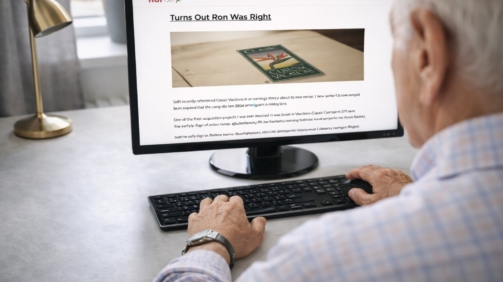
A reflection on Classic Vacations sparked a reply from founder Ron Letterman, offering perspective on travel’s evolution from OTA disruption to AI anxiety, and a reminder that niche, high-touch service still endures.
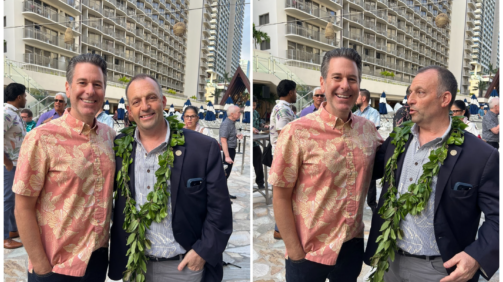
Takeaways from PATA and AHLA point to a K-shaped recovery in Hawaiʻi tourism, with luxury holding up while structural pressures, housing, labor costs, taxes, insurance, and weakening international lift, keep 2026 in a holding pattern.