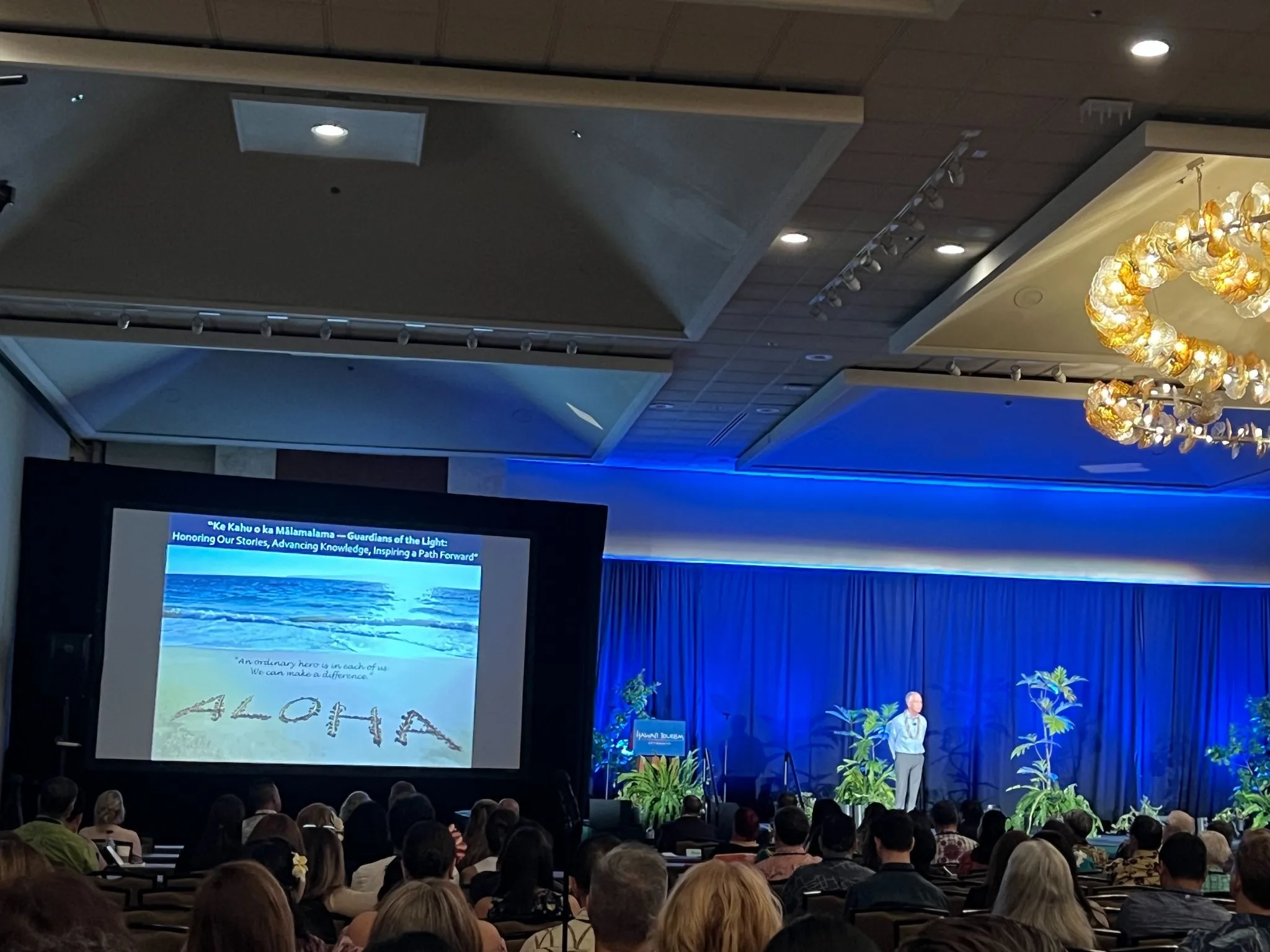
Last month I attended three different industry events, and despite very different audiences, I kept hearing versions of the same story.
Hawaiʻi hotels are still generating plenty of revenue. The problem is that more of that revenue is getting eaten up before it reaches the bottom line.
At AHICE, Mike Perkins from Colliers showed Waikīkī hotel revenue up 7.1% over the trailing 12 months, while EBITDA increased just 0.6%. Labor, utilities, insurance, F&B costs, and other expenses are absorbing much of the growth.
In other words, RevPAR can look pretty good while the owner’s economics don’t.
And that’s before we get to the debt. A lot of hotel loans originated or refinanced during the cheap-money years are approaching maturity in a very different interest-rate environment. We flagged this last year when someone in the know told us to “start watching the debt at a lot of the Oʻahu and Maui hotels.”
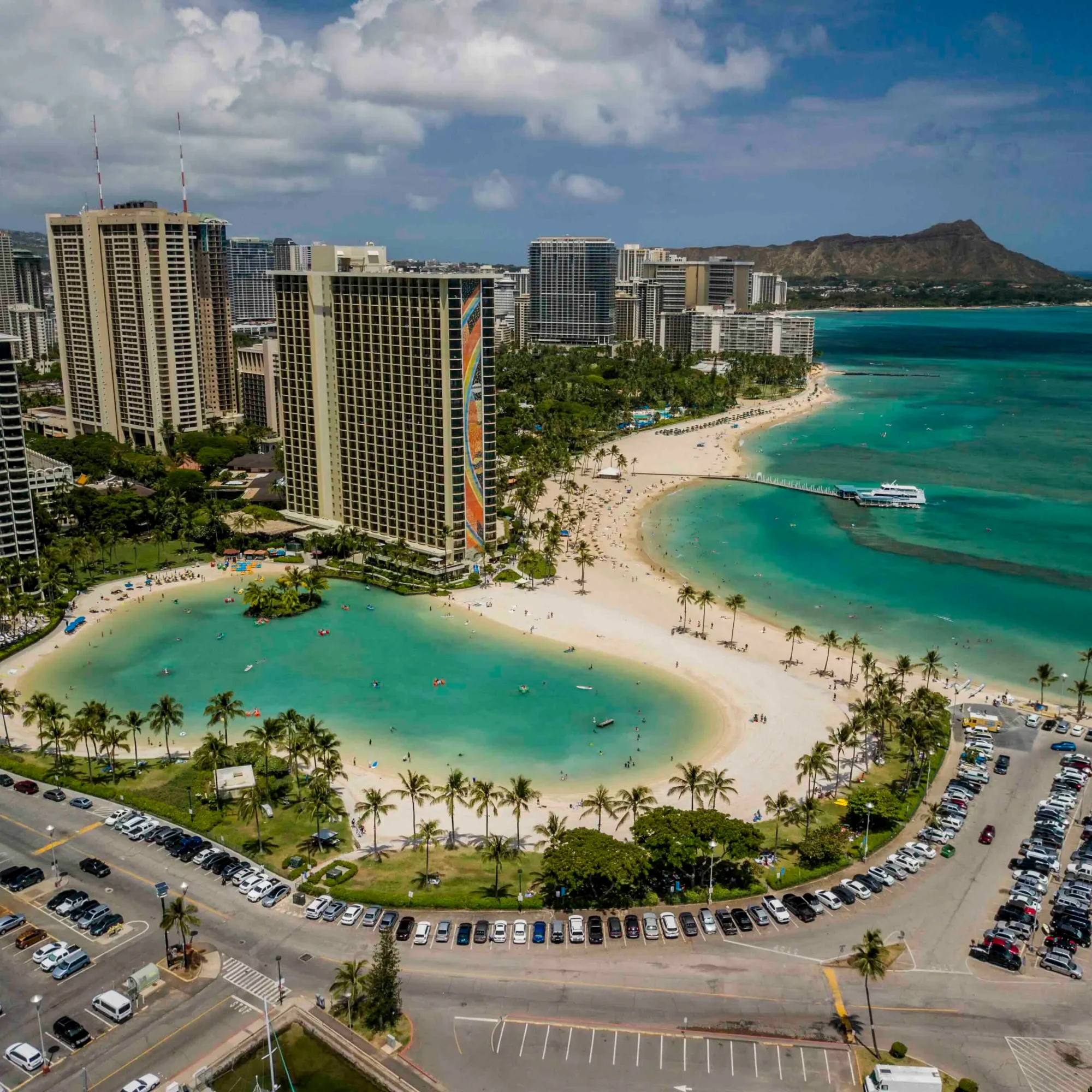
Hilton Hawaiian Village is a good example of just how big the numbers can get. Owner Park Hotels & Resorts just repaid a $1.275 billion CMBS loan that was due November 1. And this isn’t a struggling hotel. HHV led Park’s entire portfolio in EBITDA last quarter, while revenue was up 15% and EBITDA was up 13.3%.
A hotel can be performing well and still have a major financing issue to solve when its debt comes due, and selling isn’t necessarily an easy answer either. Perkins pointed to a stubborn bid-ask gap. Sellers remember valuations from when money was cheap. Buyers are doing the math using today’s rates, expenses, and profits.
We’re seeing capital move in other ways too. Romer House Waikīkī, which underwent a major repositioning and reopened in 2024, is currently raising equity. And remember the Manago Hotel? We mentioned this quaint Big Island hotel back in July when it was listed for $5.75 million. It recently sold for $2.62 million. Clearly there are property-specific factors at play, but that’s still quite a haircut from the asking price. Rumor has it that the pork chop recipe was part of the deal!
Even new development reflects the changing equation. Of the 11 hotels in Hawaiʻi’s development pipeline, eight are limited-service. At the Hawaiʻi Tourism Conference, Kevin Aucello of Powell & Aucello said lenders increasingly want the security of major brands, while developers favor hotels that cost less to build and require fewer people to operate. It’s not just a Hawaiʻi phenomenon. Higher borrowing costs are slowing new hotel construction nationally and pushing developers toward less capital-intensive projects.
Demand remains relatively strong, but operating costs are rising while capital has become more expensive and more cautious. This doesn’t necessarily look like a demand crisis. It looks like a math problem.