
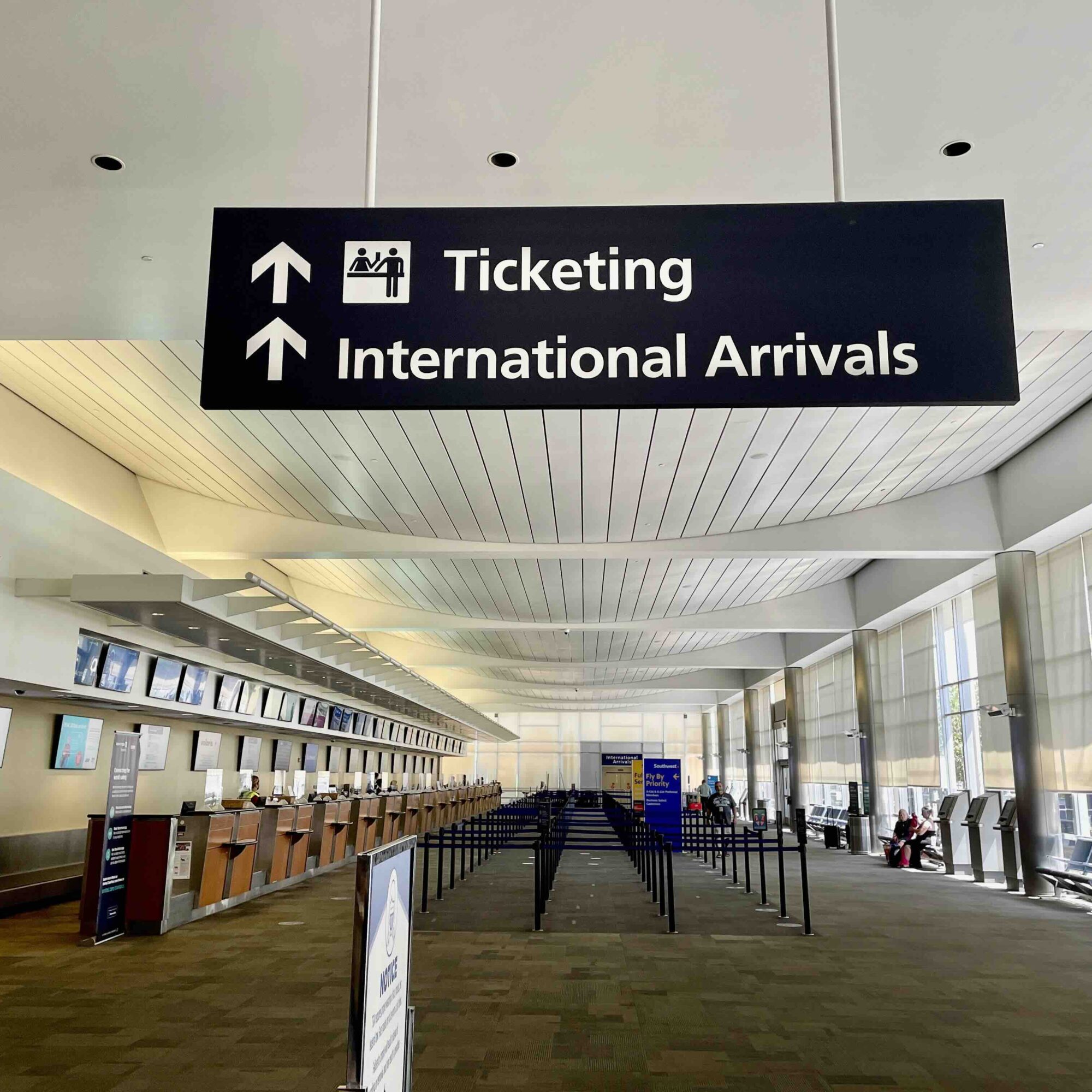
There was a really interesting article in The New York Times last month, How Much More Can the U.S. Travel Industry Take?, that cut through the usual tourism chatter and surfaced some uncomfortable realities about where U.S. travel actually stands heading into 2026.
The headline takeaway is simple: international travel to the U.S. is going backward. Industry estimates cited by the Times project 4.5 million fewer foreign visits in 2025 compared with 2024, the first post-pandemic decline. Canada has led the pullback, with arrivals down nearly 26% year to date, followed by declines from Germany at almost 12%, France at 7%, and South Korea at roughly 6%.
That matters because international visitors punch above their weight. They stay longer, spend more, and last year still accounted for nearly $179 billionin U.S. travel spending. That figure is expected to fall by about $6 billion in 2025, even as domestic travel volumes remain strong. In other words, domestic demand is filling rooms, but it is not fully replacing lost international dollars.
The Times points to a familiar mix of culprits: visa delays, new fees, tougher border scrutiny, reduced funding for Brand USA, and a growing perception that the U.S. is harder to visit than competing destinations. Ongoing foreign policy tensions, including the recent Venezuela situation, don’t help that perception. The result is that the U.S. is now the only major global destination seeing a downturn in international tourism spending.
Before the news last week, forcasters where expecting a conditional rebound of 3% growth in international visits, driven largely by the World Cup and other mega-events, with most of that upside concentrated in host cities. Whether even this will hold up remains to be seen.
For Hawaiʻi, this story hits especially close to home. International demand here is concentrated in just a few markets, primarily Canada and Japan, with Australia a distant third. When Canada pulls back sharply (down 22% in November), and Japan’s recovery remains slow and uneven, there’s no deep bench of alternative international markets waiting in the wings.