
I grew up in New York City. I haven’t lived there in decades, but I still follow the news, and lately some of the tourism headlines feel very familiar in Hawaiʻi.
New York City’s effective ban on most short-term rentals isn’t changing anytime soon. A City Council bill that would have loosened the rules never made it to a vote in 2025. Current rules still prohibit most entire-home/apartment rentals under 30 days and strictly limit legal hosting. The stated goal is housing protection. The observable impact so far has been a steep drop in legal STR supply, fewer options for visitors, and upward pressure on hotel rates. There is still little evidence that the policy has materially increased long-term housing supply or lowered rents, though economists and city officials would argue it is early or that the effects are difficult to isolate. Sound familiar?
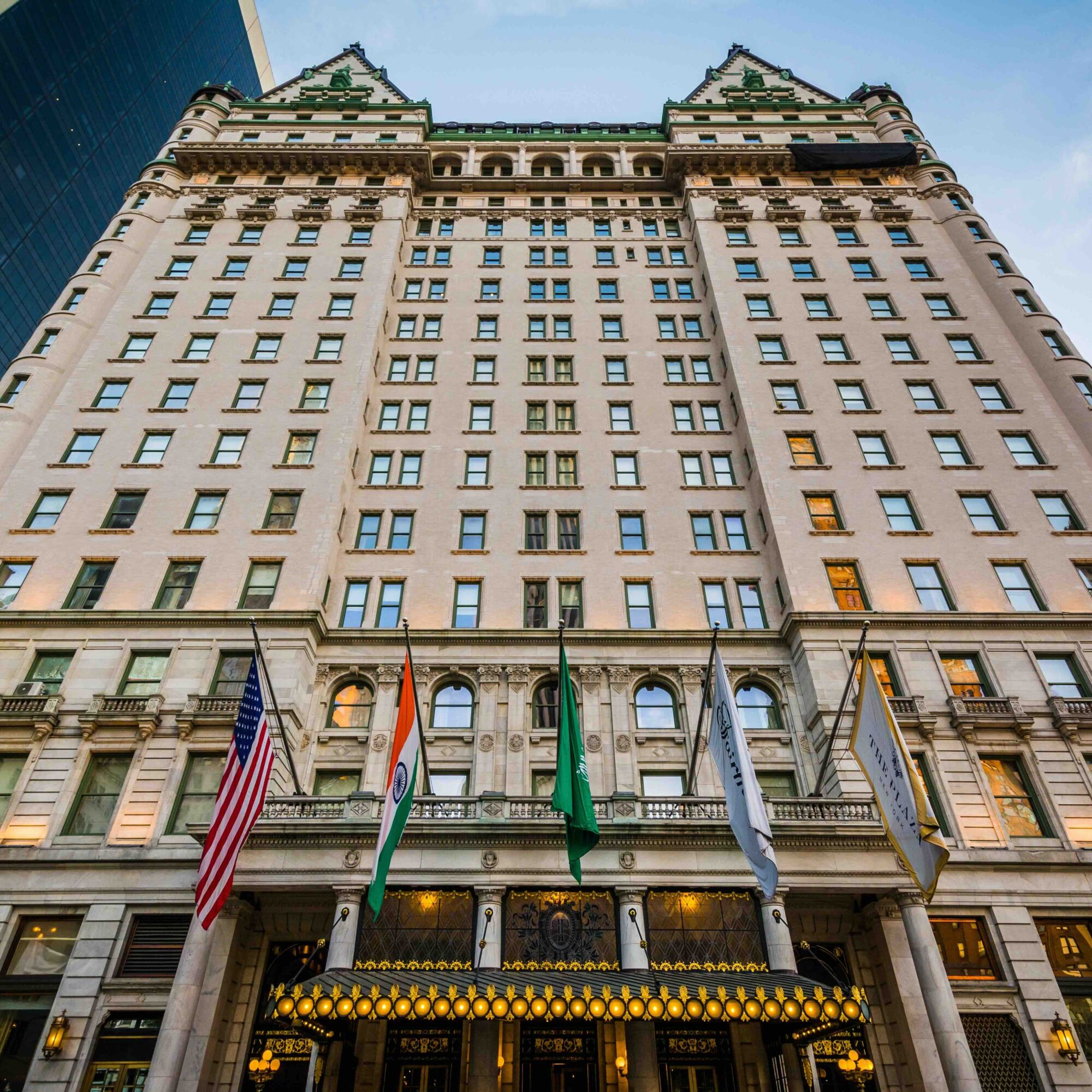
Another Hawaiʻi-adjacent moment caught my eye, too: the recent sale of the land beneath the Lotte New York Palace. Affiliates of Lotte paid $490 million to buy roughly 35,700 square feet of Midtown Manhattan dirt, converting a long-term ground lease into full ownership. That pencils out to about $13,700 per square foot. I’ll admit it, I didn’t even realize leasehold was a thing in New York City. It’s not common, but ground leases do exist, mostly tied to long-held commercial and hotel properties in Manhattan. Unfortunately, none of them trace back to the Lenape, who were famously on the wrong side of Manhattan’s original land deal.
Which immediately brought me back to Waikiki.
The land beneath the Royal Hawaiian was traded for $510 million and covers roughly 10.3 acres, or about 449,000 square feet, putting it at about $1,135 per square foot. In other words, Lotte land in NYC traded at 12X Royal Hawaiian Land.
In supply-constrained markets, STR policy will continue to be a debated issue. The long-term value, though, stays with the land.