
U.S. hotel performance slipped in 2025, with occupancy and RevPAR down for the first time since 2020, and 2026 is shaping up as a grind marked by uneven market performance, rising supply, and tighter margins.

U.S. hotel performance slipped in 2025, with occupancy and RevPAR down for the first time since 2020, and 2026 is shaping up as a grind marked by uneven market performance, rising supply, and tighter margins.

Despite headlines, New York City hasn’t banned resort fees, only reinforced upfront price disclosure, but as total-price transparency becomes the norm, the economic advantage of resort fees may be quietly disappearing.

The 2026 Henley Passport Index shows a widening global mobility gap: Singapore leads with 192 visa-free destinations, the U.S. still ranks strong at 179, but remains far less open to inbound travelers, while China is rapidly expanding visa-free access as a competitive travel lever.

Airbnb is reviving its hotel push as short-term rental rules tighten, elevating hotel listings in key markets, hiring Booking.com veteran Lou Zameryka to lead global hotels, and signaling a major AI-driven distribution play.
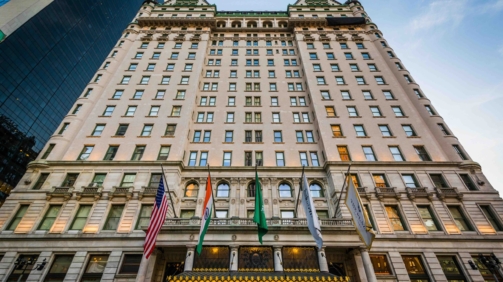
New York City’s strict short-term rental rules remain intact, tightening visitor supply and lifting hotel rates, while recent Manhattan ground-lease land pricing offers a striking comparison to Waikīkī’s underlying land value.
Hyatt’s Playa deal is a fresh example of the asset-light model: sell the real estate, keep the brands and management contracts, and grow rooms and fee income while owners take the capital risk.
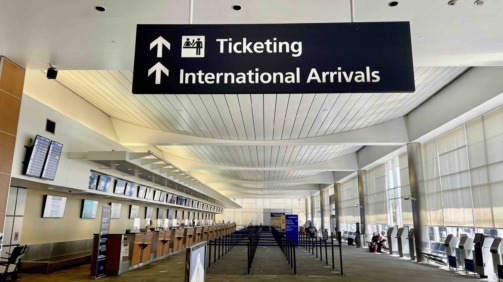
A recent New York Times analysis warns U.S. international travel is slipping into 2026, with fewer visits and lower spending driven by fees, visa delays, and border friction, risks that hit Hawaiʻi hard given its reliance on Canada and Japan.
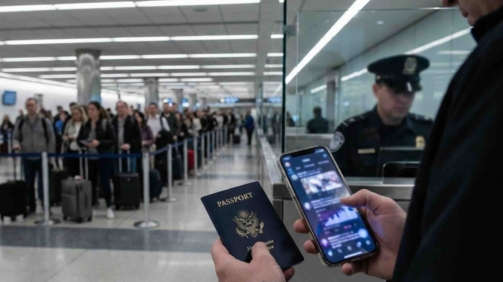
New U.S. travel proposals, including higher fees and mandatory social media disclosure, are adding friction for international visitors, contributing to declining arrivals and raising concerns for tourism demand.

HHH wraps its first year with 10 predictions for 2026, from flat hotel performance and luxury resilience to AI-driven search, hotel debt activity, Green Fee debates, and rising CEO compensation.
Hopper’s future is in question as Capital One moves to acquire the tech behind its travel portal and hires key teams, signaling a shift that leaves the once-hyped OTA struggling for relevance amid slowing growth and changing industry dynamics.