Aloha {{first name |}}!
Welcome to the latest edition of the Hawaiʻi Hotel Hui Insider.
The 2026 legislative session just wrapped, Mufi Hannemann is stepping down from HLTA after more than a decade, and Hyatt just opened two hotels in ‘Ewa Beach, or is it one hotel?
Before we dive in, mahalo to this quarter’s title sponsor, Castle Resorts & Hotels. A long-time local operator that’s stayed focused on what actually matters, people and guest experience. Happy to have them in the Hui.
Here’s what we’re covering this issue: the HLTA leadership transition and what it means for the organization’s future, a full legislative scorecard on the bills that made it and the ones that didn’t, a new GM on the Kohala Coast and maybe one at Hilton Hawaiian Village, and what Google’s latest moves mean for hotel marketing and distribution.
Know someone in Hawaiʻi hospitality who should be reading this? Forward it their way. Sharing helps us grow the Hui!
Tired of reading this three days late through your boss’s inbox? Join the Hui directly and get the signal sent straight to your own.
Mahalo for coming along for the ride!
Let’s dive in.
Mahalo,

Dan Wacksman
Hawaiʻi Hotel Hui Insider Editor-in-Chief 😄

Hyatt Doubles Up in West Oʻahu
Hyatt is officially opening the dual-branded Hyatt Place Ho‘opili and Hyatt House Ho‘opili in ‘Ewa Beach on May 19th, bringing 240 rooms to one of Oʻahu’s fastest-growing residential areas.
If you’ve ever wondered why hotel companies love these combo projects, it’s pretty simple: two brands, one building, shared back-of-house, and the ability to capture multiple traveler types at once.
Hyatt Place targets the shorter-stay business and leisure crowd, while Hyatt House leans into extended-stay guests with kitchens and apartment-style setups. Same building, different customers. The new property(s) are managed by PM Hotels, who now manage 4 properties on Oʻahu (or is that 3, does this count as one or two??). Alaka’i Development owns the property.
At first glance, it may seem like a strange place for a hotel, but we are betting on strong occupancy from military, government, business, and visiting friends and family.
Mufi Exits to Polite Applause… and Quiet Sighs of Relief
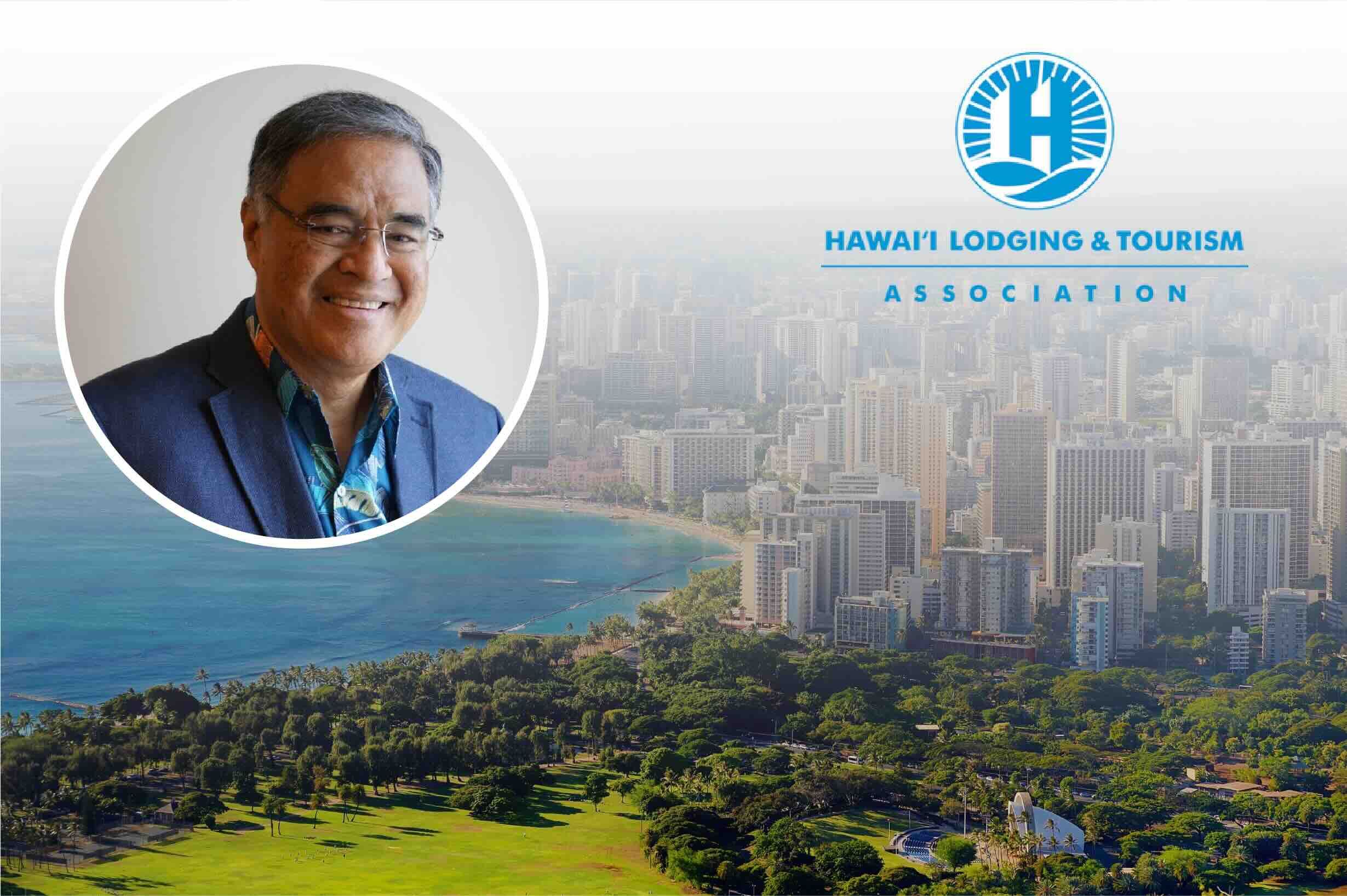
Mufi Hannemann announced he’s retiring from the Hawaiʻi Lodging and Tourism Association (HLTA) after more than a decade leading the organization.
Supporters point to successes such as the Charity Walk, scholarship initiatives, and workforce development during his tenure. Critics, however, have been far less sentimental, arguing that HLTA became increasingly politicized under his leadership, drifted from its core role of hotel advocacy and member support, and created such a deep rift with AHLA that the Hawaiʻi Hotel Alliance was eventually formed, in part, to give hotels a stronger direct advocacy voice alongside AHLA.
His later entanglement in the ongoing HTA board drama, including his resignation as chair following controversy over the state audit and convention center usage issues (see past HHH issue), only reinforced the perception that HTA had become increasingly dysfunctional.
His departure also raises a bigger question: what exactly should HLTA be going forward? An advocacy organization? A workforce and community-focused nonprofit? Both? And the next CEO, assuming there is one, inherits an organization facing some existential questions.
For those playing at home and drowning in Hawaiʻi tourism acronyms:
-
HLTA: Hawaiʻi Lodging and Tourism Association (see above)
-
HHA: Hawaiʻi Hotel Alliance, a newer hotel-focused advocacy group aligned with AHLA
-
HVCB: Hawaiʻi Visitors and Convention Bureau, contracted by HTA to market Hawai’i
-
HTA: Hawaiʻi Tourism Authority, the state agency overseeing tourism strategy, contracts, and destination management (Part of DBEDT)
-
HTA Board: The governor-appointed volunteer advisory board
Stop Gifting Your Guests “Island-Scented” Chemicals
-Sponsored-

Let’s be real: guests know the difference between a generic lotion made on the continent and the real thing. If you’re still stocking vanity kits filled with synthetic fragrances, you’re missing a chance to anchor your brand in true place-based luxury.
Based in Waimea, Ua Hawaiʻi has spent 30 years perfecting clean, vegan skincare powered by native ingredients like kukui oil and botanical infusions.
These aren’t just “amenities”, they are high-performance products that reflect your property’s quality. They already grace the counters of Hawaiʻi’s top-tier resorts because they deliver actual authenticity. It’s time to ditch the “aloha-wash” and give guests something they’ll actually want to take home.
Speed Lawmaking, Hawaiʻi Style: Final Scorecard
Back in March, we flagged several hospitality-related bills moving through Hawaiʻi’s frantic 60-day legislative sprint. The sprint is over. Here’s what survived, what didn’t, and what it means.
A reminder that Governor Green still has until July to sign, veto, or simply let bills become law without his signature.
-
Dedicated Tourism Marketing Funding (HB 1950): Dead.
-
The effort to create stable, dedicated tourism marketing funding didn’t survive conference season.
-
Translation: Hawaiʻi tourism marketing remains tied to annual budget fights and political priorities.
-
-
State Budget / HTA Funding (HB 1800): Mostly survived.
-
While dedicated funding failed, lawmakers largely preserved HTA and DBEDT tourism allocations through the budget process.
-
The 67.75 million includes marketing, destination stewardship, workforce programs, and Waikīkī beach funding.
-
The true marketing budget is $39.6 million, well below many of our competitor destinations.
-
-
$25 Comp Room Fee (SB 241): Dead.
-
Hotels dodged this one. The proposal would have added a fee on complimentary rooms 🤷♂️.
-
-
Vacation Rental Enforcement (HB 1590): Dead.
-
Good intentions, poorly written, and ultimately died after industry groups warned the amended language could unintentionally shield illegal vacation rentals, potentially creating more harm than good.
-
-
HTA / Destination Management Restructure (ultimately SB 1571): Passed.
-
HTA survives, but weaker. The board becomes largely advisory, while more authority shifts toward the Governor and DBEDT. Depending on who you ask, this is either long-overdue accountability or the slow dismantling of Hawaiʻi’s independent tourism agency.
-
On that note, the Senate confirmed all 11 members of HTA’s newly restructured advisory board in April. Two come directly from the hotel industry: Kim Agas of Aulani and Danny Ojiri of Outrigger. The board retains one meaningful responsibility worth watching: recommending candidates for the HTA CEO position. Which brings us to the uncomfortable reminder that it has now been nearly three years since John De Fries stepped down. Three years!
-
-
Michelin Guide Support (SB 2072): Dead.
-
Still one of the stranger debates of the session. Nothing inspires confidence quite like hearing testimony supporting a bill from people who didn’t seem to fully understand how the business model works.
-
And our final fun at the legislature, Green Fee Sleight of Hand
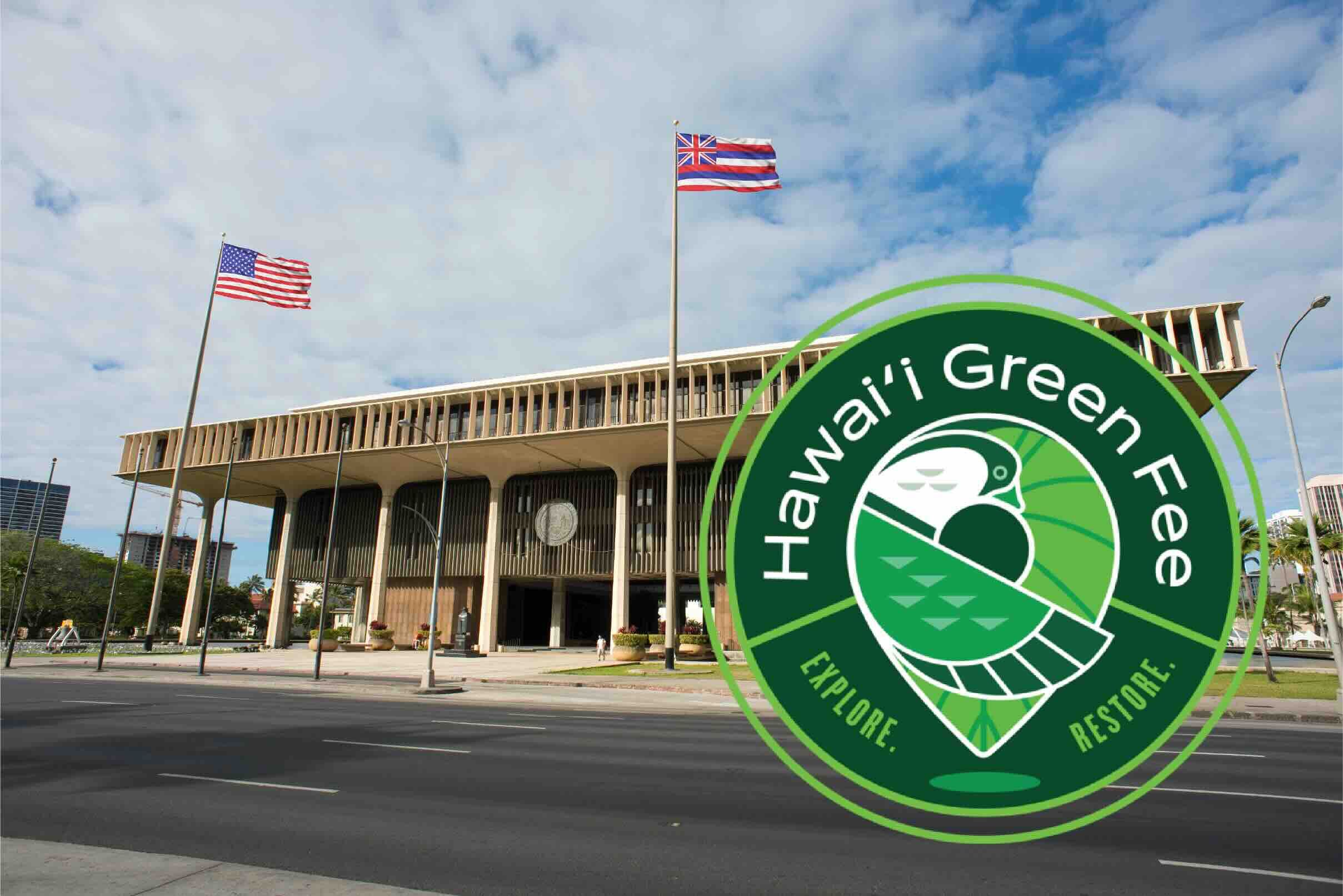
When the Green Fee was first introduced, the pitch was fairly straightforward: raise the TAT by 0.75 percentage points and create a dedicated funding source for environmental issues, guided in part by an advisory council assembled by the Governor.
We warned at the time that the structure felt eerily familiar to the original transient accommodations tax (TAT), which was initially created as a dedicated tourism marketing fund before gradually becoming part of the general fund. And now the Legislature is already heavily reshaping the Green Fee process. Lawmakers replaced or modified roughly 40% of the council’s original project recommendations during budget negotiations, inserting their own priorities while cutting or reducing several of the council’s recommended initiatives.
That doesn’t necessarily mean the projects are bad. But it does reinforce a concern many in the industry raised early on: whether the Green Fee would remain dedicated or gradually become another flexible pool of state spending funded by visitors.
Leadership Shuffle at Waikīkī’s Biggest Hotels?
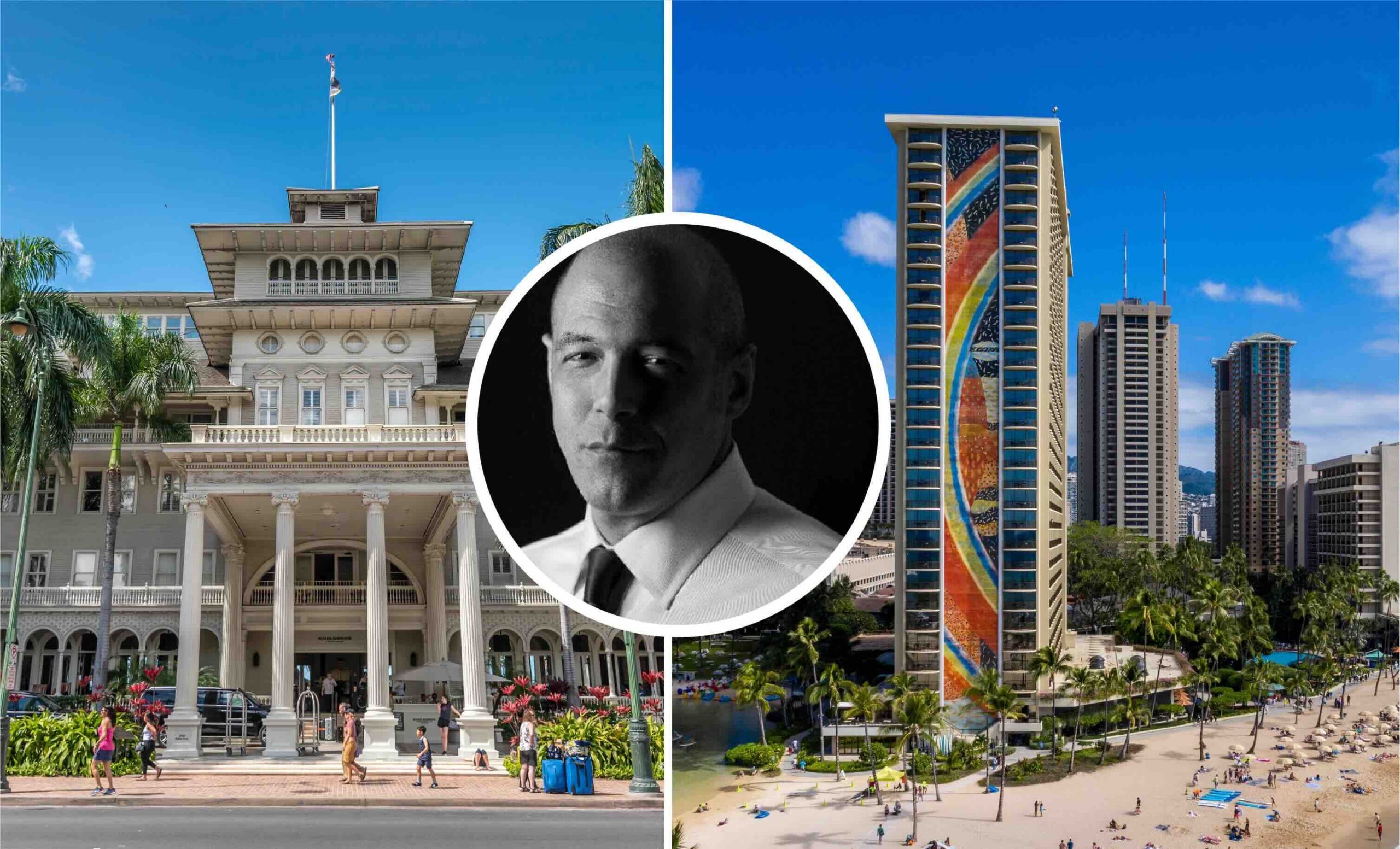
A recent Marriott job posting caught our attention: Dual General Manager for both the Moana Surfrider and Sheraton Princess Kaiulani.
Wait… wasn’t that Thomas Foti’s role?
Industry sources tell us Foti has recently resigned and may be headed for an even bigger opportunity on Oʻahu. And there may be no bigger hotel role open right now than Managing Director for Hilton Hawaiian Village, which has been without a permanent leader since Debi Bishop’s departure.
Nothing official has been announced yet, but in Hawaiʻi hospitality circles, vacancies at the top rarely stay quiet for long, nor does the coconut wireless.
Fairmont Orchid Names Todd Temperly as General Manager
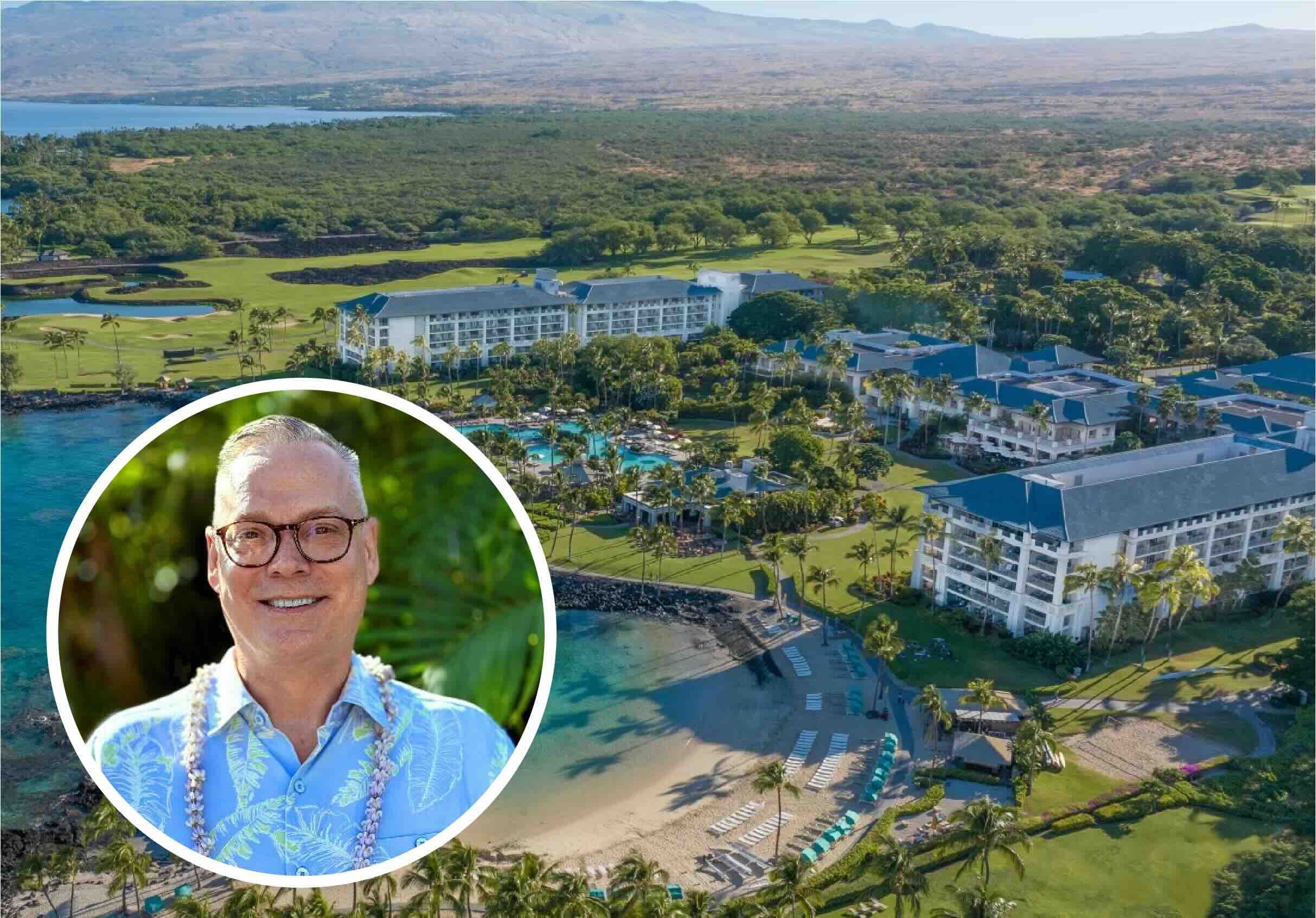
Fairmont Orchid has appointed Todd Temperly as General Manager of the 540-room Kohala Coast resort.
Temperly most recently led The Ritz-Carlton, Cleveland, which, no offense to Cleveland, is about as far from the Kohala Coast vibe as you can get. Thankfully, he’s no stranger to Hawaiʻi, having previously served as Resort Manager at Grand Wailea. His résumé also includes leadership roles at Waldorf Astoria Chicago, Conrad Chicago, and the iconic Palmer House Hilton.
Aloha and Good Luck Todd!

Uber + Expedia: The Super App Chase Continues

Uber officially entered the hotel booking business through a new partnership with Expedia, allowing users to book hotels directly inside the Uber app. On the surface, it looks like another distribution partnership. Underneath, it looks a lot more like the early stages of something bigger.
For years, rumors have floated around about Uber potentially acquiring Expedia, especially given that Uber CEO Dara Khosrowshahi previously ran Expedia as CEO for more than a decade. Nothing materialized, but this partnership feels like a logical halfway step: combine Uber’s massive daily user base with Expedia’s global travel infrastructure and slowly train consumers to stay inside one ecosystem.
The bigger ambition here may not be hotels at all. It may be the long-discussed “super app” model popularized by platforms like WeChat in China, where transportation, travel, dining, payments, delivery, messaging, and commerce all live inside a single app experience. Uber already has rides, food delivery, grocery, and memberships. Expedia adds flights, hotels, and broader travel inventory. Throw in a digital wallet and loyalty ecosystem, and suddenly the pieces start looking very super appy.
The real question is whether Western consumers actually want a super app. Silicon Valley has been chasing the idea for years. So far, nobody has fully cracked it.
Drive Direct Bookings from Hawaii.com
-Sponsored-

Hawaii.com puts your property in front of high-intent visitors while they’re building itineraries, planning experiences, and learning about the islands, helping you stay top of mind before OTAs win the booking.
If you want more qualified visibility and a smarter path to direct bookings, we can help.
Airbnb Continues Its March Into the Hotel Business

A few months ago, we mentioned Airbnb’s growing hotel ambitions after the company made several key hotel industry hires, including dedicated market managers focused on signing hotel inventory. We even have one here in Hawai’i. Now we’re getting a clearer picture of where this may be heading.
Airbnb CEO Brian Chesky recently described the traditional OTA model of separating hotels and vacation rentals into different tabs, or awkwardly mixing them in search results, as “pre-AI thinking.” Instead, Airbnb appears to be moving toward a more personalized approach where the platform decides what type of accommodation to show based on traveler behavior and booking history.
That’s a shift from Airbnb’s earlier hotel experiments, which often felt clunky and bolted onto a platform originally built for home sharing. This feels more well-thought-out and potentially more competitive for traditional OTAs. The company is already actively working with hotels on Oʻahu. And like most new OTA entrants, they have lower commission rates to prime the pump. But rest assured, this will not last long. 😉

Google Now Knows Which Bed You Want
Some people think Google wants to steal your booking. That’s not quite right, and the reality is actually more nuanced.
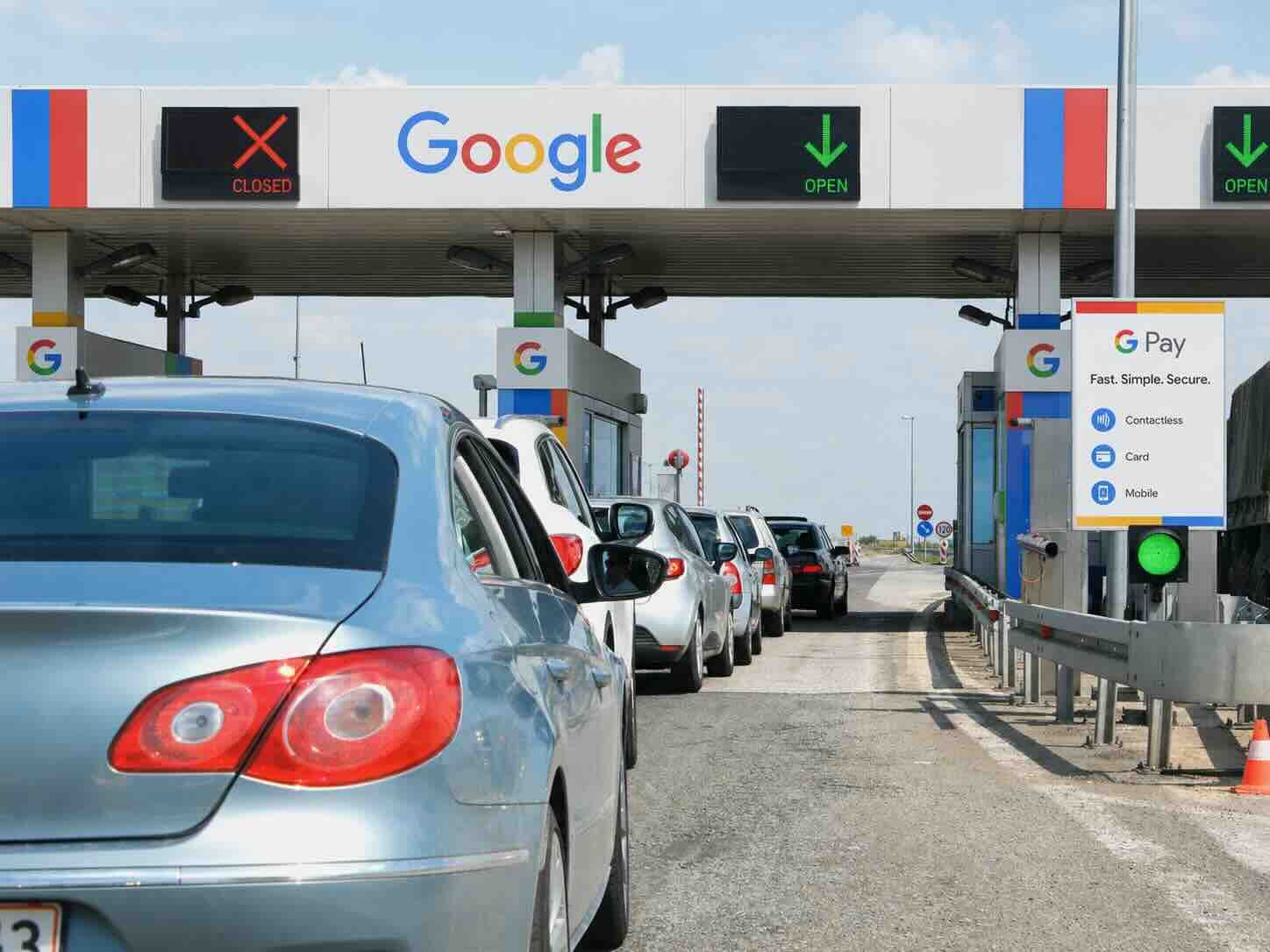
Google is not trying to become Booking.com. At least not yet. When a traveler books through an AI-generated Google recommendation, the reservation still flows through to an OTA, a brand site, or a metasearch partner. Google doesn’t take the room night. What Google takes is the toll.
And it just built a lot more toll booths.
On April 17th, Google upgraded its hotel price tracking from city-level trends to individual property alerts. Travelers can now follow your specific hotel, monitor rates for exact travel dates, and receive alerts the moment prices change.
It also launched Canvas, an AI trip planner that builds itineraries directly inside Google using real-time hotel and flight data. And it introduced AI Max for Travel, which places hotel ads directly inside AI-generated responses while shifting more control over placement and messaging away from hotel marketers and toward Google’s AI.
Every one of these tools follows the same logic: keep the traveler inside Google’s ecosystem longer, capture more of the planning journey, and extract a toll at every stage before the booking ever reaches you.
The piece many hotels are missing is that this is not really a distribution play. It’s an infrastructure play. Google doesn’t necessarily want to be your competitor. It wants to be the road everyone else has to drive on: OTAs, brand sites, metasearch, and eventually AI travel agents too.
And if you want your property visible to a traveler planning a trip inside Google’s AI Mode, you’re probably paying for that visibility one way or another.
The real question worth asking your digital marketing team: are you showing up inside AI Overviews and AI Mode, or are you invisible before the traveler ever even reaches a booking page?
And Google isn’t alone. As we mentioned earlier, Uber just added hotel booking through Expedia. The tollbooth economy is expanding fast. Or as my good friend Tim Peter likes to say: Gatekeepers Gonna Gate.
Want to dive deeper? Google Blog, April 17, 2026

Industry Events
Your Next Guest Isn’t Googling You: How to Win Bookings in the Age of AI
Join HSMAI Hawaiʻi and Hawaiʻi Hotel Hui for a free practical session on how AI is changing hotel discovery, with clear strategies to increase visibility, capture demand earlier, and drive more direct bookings.
-
Your Next Guest Isn’t Googling You: How to Win Bookings in the Age of AI – May 20, 2026 (Webinar)
-
The 6th Annual Hawai‘i Hotel & Restaurant Show – June 17-18th, 2026 (Oahu)
-
Maui WaiWise Stewardship Summit – Nov 9-10, 2026 (Maui)
-
Free educational forum hosted by Maui County DWS focused on hotel water conservation, sustainability, and operational efficiency
-
Full list of 2026 Hawaiʻi Events
*If you have industry events to share, please email me at Dan@hawaiihotelhui.com.

Spotlight on Hawai‘i Hospitality Opportunities
-
Catering Sales Manager – CLÜME (Honolulu)
-
Market Vice President, Hawai’i – Marriott International (Honolulu)
-
Director of Rooms – Four Seasons Maui (Maui)
-
Director of Revenue Management – Hale Hokuala Kauai, Curio Collection by Hilton (Lihue)
-
General Manager – Grand Wailea, A Waldorf Astoria Resort (Wailea)
-
Sales National Account Director – Prince Resorts Hawaii (Honolulu)
*If you happen to have any job openings, let us know. We will be glad to include them in the newsletter, space permitting; send the job link to Dan@hawaiihotelhui.com.

The inbox was absolutely smoking this week. Between the macro-economic reality checks, the frustration over losing major events, and a solid dose of unverified development gossip, you all definitely had a lot on your minds.
Let’s dive into what you had to say this month.
The Fuel That Keeps Us Going
-
“Love this, Dan!! It sounds great! (The HHH Theme Song)”
-
“Your writing is great – keep up the great work! I share the data points with my directors and clients and the little snarks about being an ‘aspiring marvel villain’ with my team so we can all enjoy :)”
-
“I wanted to say that your March 2026 Industry Intelligence Report has been extremely helpful for a number of our clients… These days, we have so much data coming at us that it is hard to decipher it all into digestible pieces to share with owners and boards. You are spot on with your reporting.”
-
Note: If you have not seen the report, you can check it out here.
-
-
“Just want to say I’m absolutely impressed by the content here. Great work!”
Fading Spotlights & The Event Exodus
-
“This is a tough but important wake‑up call for all of us in Hawaiʻi’s visitor industry. The loss of [a major sporting event] isn’t just a sports story. It’s a signal of how fragile our economic ecosystem has become. When major events start walking away, it forces us to confront the reality that rising operational costs, regulatory uncertainty, and a shifting political climate are making it harder for hoteliers and tourism partners to compete on a global stage. Hawaiʻi has always been a premium destination, but even premium destinations need a stable, collaborative environment.”
-
“Not only are sporting events leaving. How many TV series are left after [the iconic island police dramas] were pulled as well? These series brought Hawaiʻi into the homes of millions of people every week – and they were shown on a global scale. The islands are starting to lose their share of awareness. In 20-30 years, most people who are fit enough to travel won’t have a concept of Hawaiʻi any longer. Only local residents and older tourists will have the visual experience and memories.”
The Cost, Culture, and “AI Slop” Collision
-
“Shame! For a destination that demands authenticity, this is an embarrassment.”
-
Regarding the state Department of Transportation officially playing ‘AI slop’ at HNL.
-
-
“There are a plethora of factors at play: The mass media perpetuated the ‘stay away from our islands’ aspect of the pandemic! The continued rhetoric of no visitors/tourists on the islands. The [disaster] response from government agencies is confusing to locals and visitors alike. The cost of a family of four visiting from [the West Coast] to spend 5 nights on Maui is about $12K!!! The cost of gas and groceries is beyond grossly unjustified… Let’s not forget the homeless people who are everywhere! And then to see a visitor disrespect a Hawaiian monk seal and act as though it’s an arbitrary act… leading again to residents not wanting those types of people here on the islands, but shown as not wanting ANY tourists.”
-
“Many destinations are currently pursuing a strategy to attract ‘high-quality’ or ‘luxury’ tourists as they are experiencing push-back from their local population due to tourism’s impact on traffic, resources, cost of living, pollution, etc.”
Boardrooms and Billionaire Retreats
-
“The Mandarin developers’ MO was to acquire property on an option basis if possible so as not to expend capital, put a package together to sell to an investor or developer, get the entitlements, and then sell, leaving the development and sales risks to the new owner. When he got involved with this property, I thought he would do the same thing – and he did. “
-
“To be honest, I think the elites who don’t reside in Hawaiʻi, [tech billionaires and media moguls] and the many others who fly private under the radar, are perfectly fine with this and see it as a long-term desired plan to create their own world retreat…”
Have a hot take, a wild industry theory, or a reason why I’m entirely wrong? The inbox is always open for your anonymous confessionals.
Send your thoughts to dan@hawaiihotelhui.com or dan@sassato.com, and you might just see your words here in the next edition.

About Us
Hawaiʻi Hotel Hui was started by hotel industry veteran Dan Wacksman, CEO of Sassato, a Hawaiʻi-based consultancy that combines deep local expertise with a global perspective.
Our team brings decades of experience across operations, marketing, revenue, tech, and finance, all aimed at helping hotels and travel companies make smarter decisions and move faster. Whether you need additional expertise, extra horsepower, or just someone who thinks like you and moves things forward, we’ve got you. From local independents to global brands, we show up with a no-nonsense, results-focused mindset. To be blunt: we get sh*t done.
Recent projects include brand transitions, system selection (PMS, CRS, CMS — all the acronym soup), implementations, project management, feasibility studies, training, audits, and everything in between.
A lot of organizations deal with stretched teams, siloed processes, and messy tech stacks that quietly stall important work. We fix that. Happy to chat if this hits close to home.