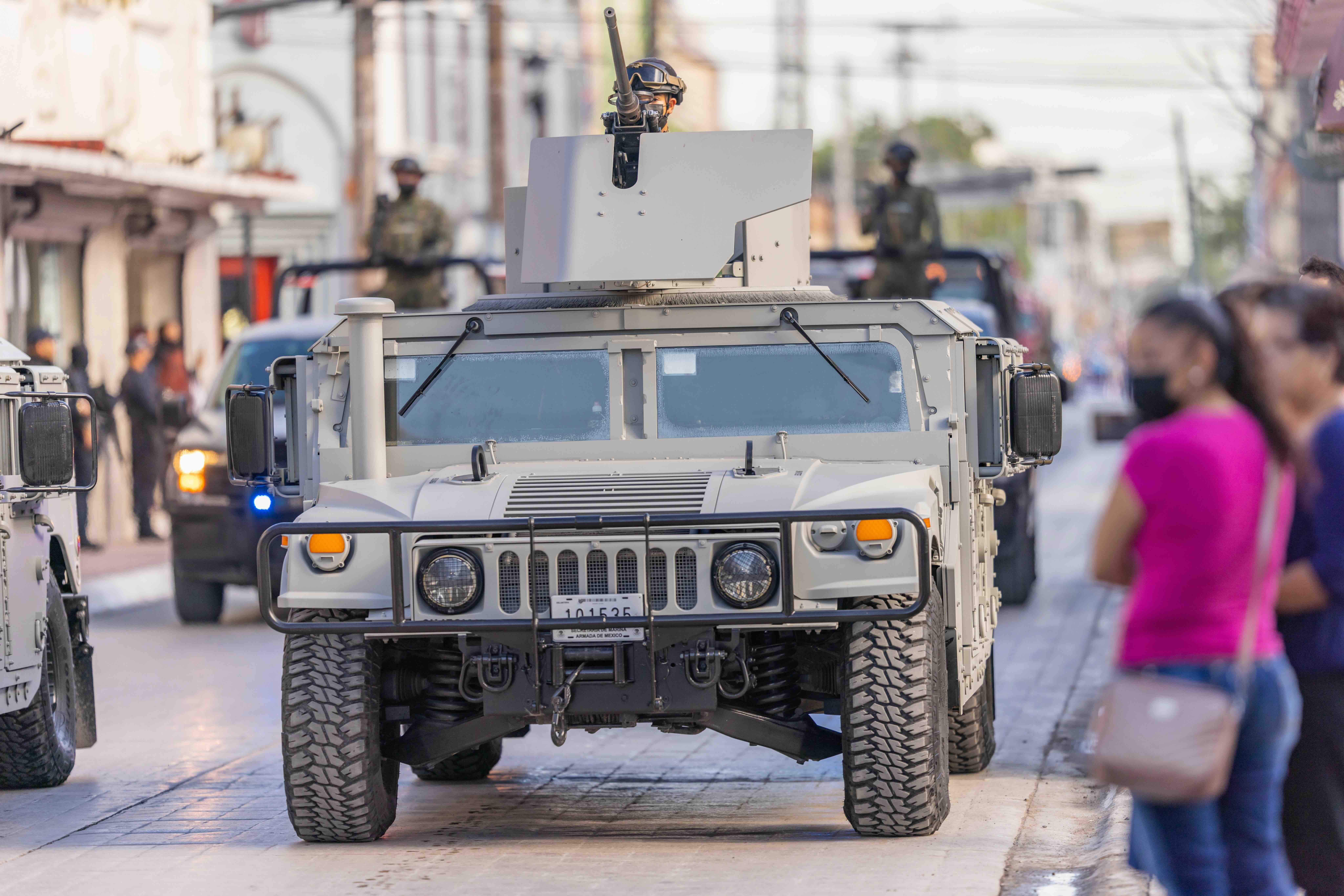
You’ve all seen the news out of Mexico. Following cartel violence, travel advisories were issued, and headlines moved quickly. Officials say order is being restored and major resort areas remain operational.
First and foremost, we hope for safety and stability for residents, visitors, and industry colleagues. No destination benefits from instability, and neither does our industry.
Tourism demand is highly sensitive to perception, but recovery depends on how contained and how prolonged the disruption is. In prior Mexico advisory spikes, where incidents were not directed at tourists, resort markets often saw short-term softness that stabilized within a booking cycle.
Closer to home, the Maui wildfires showed how quickly headlines can disrupt demand, even when impacts are geographically concentrated.
Mexico remains Hawaiʻi’s biggest West Coast leisure competitor. If coverage lingers, perception alone can influence booking behavior. Layer in U.S. involvement in Iran and rising global tension, and the travel picture gets murkier.
Historically, when Americans feel uncertain about the world, they don’t stop traveling. They adjust. International trips may get deferred. Familiar domestic destinations often benefit.
Hawaiʻi sits in that space. We are far, but we are still home.
This isn’t about rooting for instability elsewhere. It’s about understanding how sentiment shifts and working to our strengths.
Not so fun fact:
- The annual risk of being murdered in the United States is roughly 1 in 15,000.
- The annual chance of an American being killed in a terrorist attack abroad is approximately 1 in 2–4 million.
There’s a name for this: dread risk. We overreact to dramatic, unlikely threats and underreact to familiar ones. Think fear of shark attack vs. car accident.