
Chicago hotels are backing a tax increase to fund tourism marketing, a move that echoes Hawaiʻi’s TAT history and raises a broader question about why destinations must tax visitors heavily and still fight to fund demand generation.

Chicago hotels are backing a tax increase to fund tourism marketing, a move that echoes Hawaiʻi’s TAT history and raises a broader question about why destinations must tax visitors heavily and still fight to fund demand generation.

Hotel benchmarking tools like STR are facing antitrust scrutiny in the U.S. and UK, raising questions about whether analyzing historical competitor data, or future AI pricing tools, could be viewed as reducing market competition.

Despite headlines, New York City hasn’t banned resort fees, only reinforced upfront price disclosure, but as total-price transparency becomes the norm, the economic advantage of resort fees may be quietly disappearing.

The 2026 Henley Passport Index shows a widening global mobility gap: Singapore leads with 192 visa-free destinations, the U.S. still ranks strong at 179, but remains far less open to inbound travelers, while China is rapidly expanding visa-free access as a competitive travel lever.
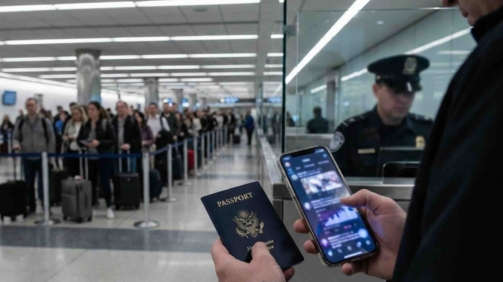
New U.S. travel proposals, including higher fees and mandatory social media disclosure, are adding friction for international visitors, contributing to declining arrivals and raising concerns for tourism demand.
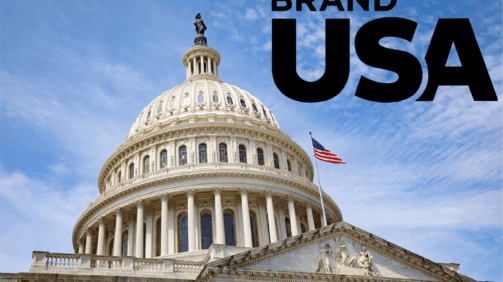
Congress is moving to restore Brand USA’s funding through the VISIT USA Act, aiming to counter declining global sentiment and strengthen U.S. competitiveness ahead of major events by using surplus visa fees, not taxpayer dollars.
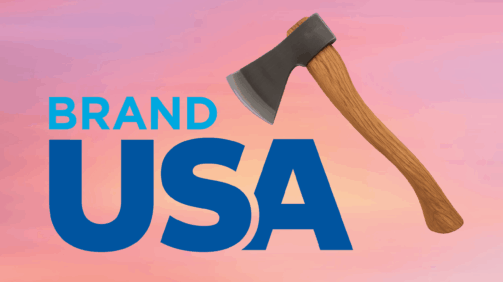
Brand USA slashes 15% of staff after funding drops from $100M to $20M. With inbound tourism at 80% of 2019 levels, politics, not branding, is the issue.

ADA demand letters are big business, but as Zarco Hotels showed, compliant hotels don’t have to pay up, fight back and you can even recover legal fees.

New U.S. travel rules add layers of fees and paperwork: a $250 “Integrity Fee” for many visa applicants, higher ESTA costs, mandatory 30-day registrations, visa bonds for some countries, and targeted bans.
The FTC’s junk fees rule takes effect May 12, forcing hotels to display full prices upfront and potentially pay commissions on total rates, ending the long dance around resort fees.